
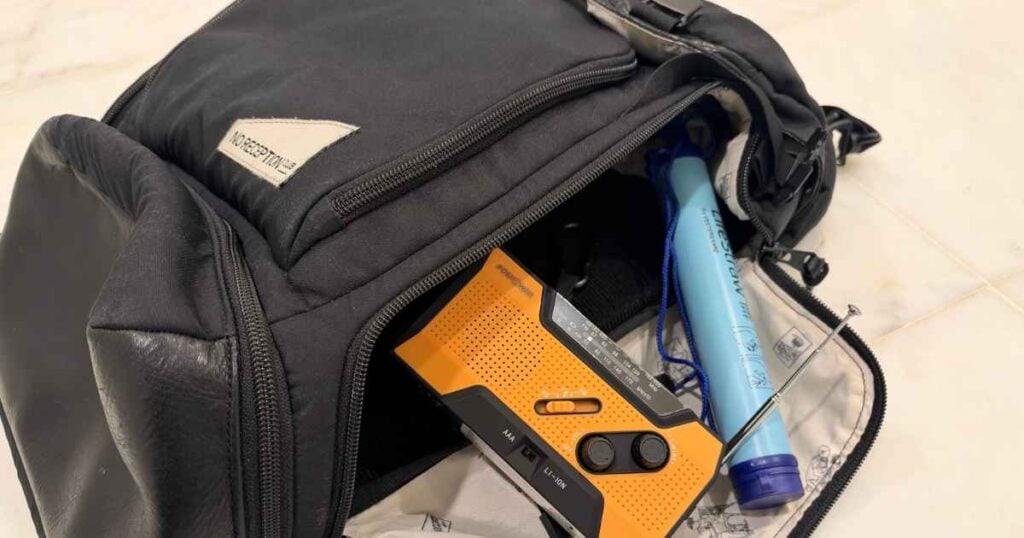
The recent nationwide FAA ground stop and Chase banking disruption got my attention. Then I saw that the UK is encouraging households to prepare for disruptions, while Canada recommends keeping an emergency kit for at least 72 hours.
They each made me think about how much we rely on everyday systems working as expected. If there’s ever a time to get my household organized, it’s now.
Most of us have emergency supplies somewhere in the house. There are flashlights in a drawer, batteries in a cabinet, bottled water in the garage and a first aid kit we haven’t opened in years. The problem is finding everything when the power goes out.
If your supplies are scattered around the house, this is your sign to put together an emergency preparedness kit. You don’t need to buy an expensive premade survival bag. Start with what you already own, put the essentials in one place and fill in the gaps as you go.
For a family, I would prepare two things: a portable bag or backpack you can grab if you need to leave and a larger stash at home for a longer outage.
The American Red Cross recommends at least three days of supplies for evacuation and two weeks of food and water at home.
Suburbs 101 participates in affiliate programs including the Amazon Associates Program and may earn from qualifying purchases at no extra cost to you.
What to Put in Your Emergency Backpack
1. A flashlight for each person
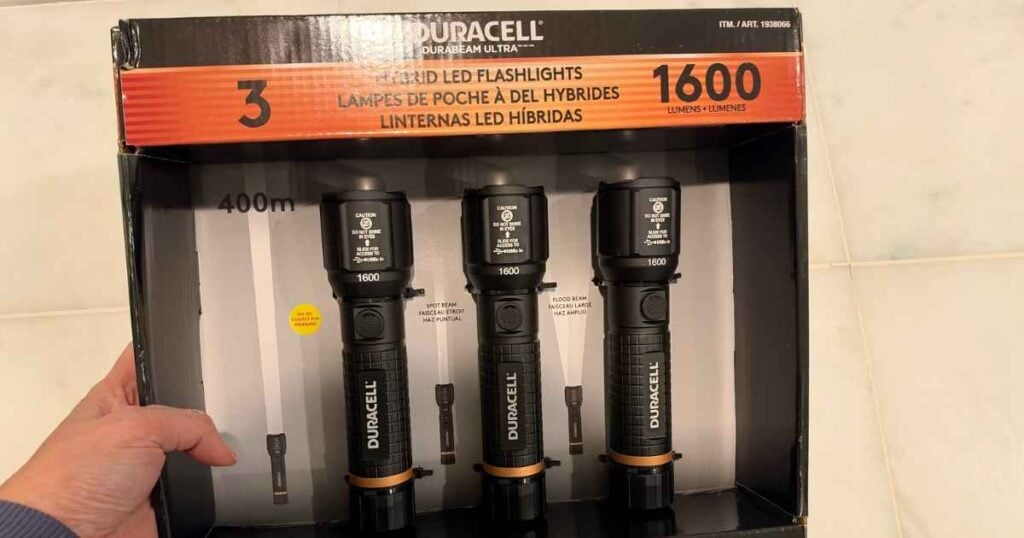
When the lights go out, you don’t want the whole family sharing one flashlight. Give each person a handheld flashlight and a headlamp they can wear on their head.
A headlamp keeps both hands free when you’re carrying supplies, helping a child or moving around in the dark. I like these headlamps and have actually used them on camping trips.
Choose lights your family can operate easily, and keep the right batteries or charging cables with them.
I personally got these hybrid flashlights because it runs on regular batteries and is also rechargeable.
2. A charged power bank and charging cables
Pack a power bank for phones, along with cables that actually fit your household’s devices.
During an emergency, your phone is vital- you can see local alerts, reach family and use a map when the internet is spotty.
I like this portable power bank because it’s fast charging.
3. A hand crank weather radio
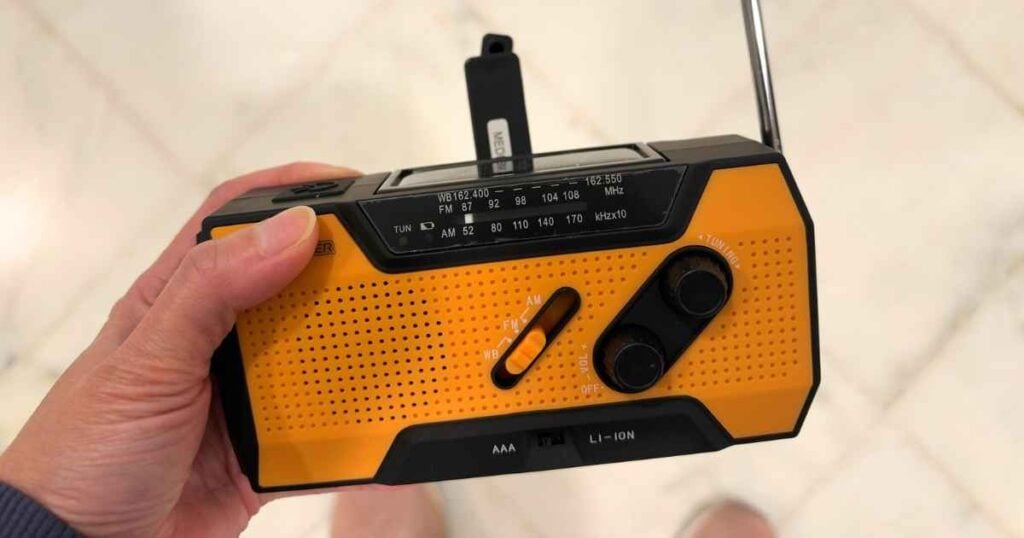
A radio gives you another way to get updates if cell service or Wi-Fi is unavailable. The Red Cross recommends a battery-powered or hand-crank radio and suggests a NOAA Weather Radio if possible.
Check that your model receives the alerts you want, and pack spare batteries if it uses them.
I have this hand crank radio. I like it because it’s also powered via solar, AAA batteries and USB charging so it never dies. Plus it’s also a flashlight.
4. A first aid kit and the medications you need
A basic first aid kit is a good starting point, but look inside it before putting it away. Add the supplies your family actually uses, plus essential prescriptions and medical items.
The Red Cross lists a seven day medication supply among its basic kit recommendations; ask your pharmacist how to keep an extra supply if refills are tightly timed. Keep medications in their labeled containers, and rotate them before they expire.
If someone in your household has a severe allergy, make their prescribed emergency medication part of the plan. Check its expiration date and storage instructions.
I like this first aid kit because it also comes with some basic OTC meds and bandages- all in a hard case. You will also need a medication organizer such as this waterproof pill pouch set that can fit more than you typical pill organizer.
5. Drinking water and a backup way to filter it
The Red Cross recommends one gallon of water per person per day. For my family of four, that means 12 gallons for just three days.
I can’t fit it all in an emergency backpack. And what happens if we’re away from home and the water we carried runs out?
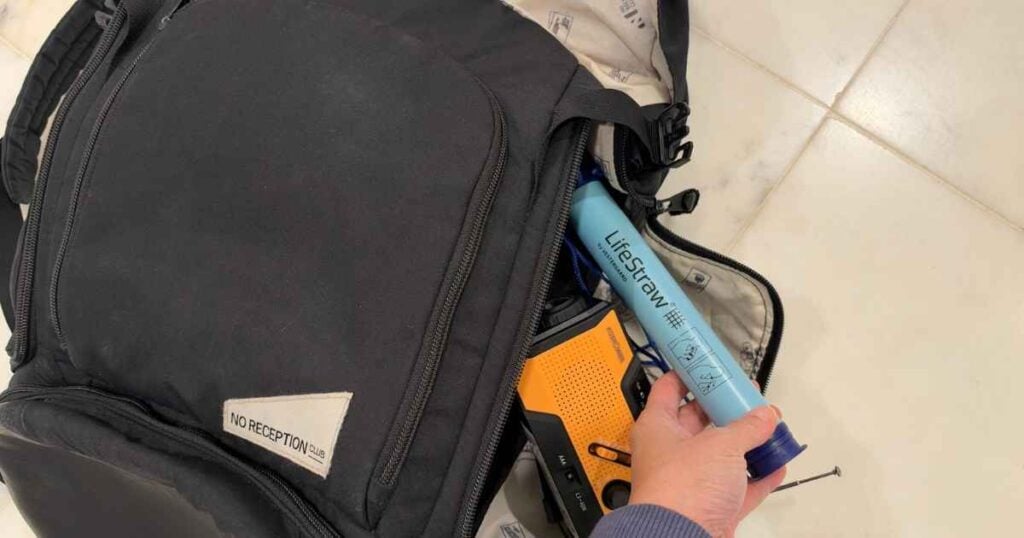
That’s why I have a LifeStraw for each person in my family. It’s a personal water filter small enough to fit in a backpack.
LifeStraw will allow us to drink from an untreated freshwater source, such as a stream, when safe bottled water isn’t available. Each of us would have our own, so we wouldn’t need to share one filter.
The LifeStraw personal filter removes bacteria and parasites. But do know it does not remove viruses, salt or chemical contaminants. It won’t make seawater, floodwater or water suspected of containing fuel or chemicals safe to drink.
I like having LifeStraw as an extra option once we run out of safe drinking water. I also packed collapsible water bottles in every backpack so we have a way to store water.
6. Shelf stable food you can eat without power
Pack food your family will actually eat without cooking or refrigeration, plus a manual can opener if you include cans.
Think crackers, canned fruit, tuna pouches, protein bars, beef jerky, apple sauce pouches or other foods that fit your household’s dietary needs. Rotate the food before it expires.
I also have freeze dried emergency food in our backpacks.
7. Masks for each person
Add a few well-fitting N95 masks in sizes appropriate for your family. They can help reduce exposure to dust or smoke particles if you need to move through an affected area. I keep mine in ziplocks in the backpack.
8. Compact emergency blankets
Pack a lightweight emergency blanket for each person. These reflective blankets fold down small and can help retain body heat if you’re stranded or waiting outdoors. Include warm clothing and sturdier blankets in your home supplies, especially for a winter outage.
9. Hand warmers for cold weather emergencies
I also added a few pairs of disposable hand warmers to each backpack, especially in winter. They take up little space and can make a long wait outdoors more comfortable.
Keep them in their sealed packages until needed, and follow the directions: they can get hot, so don’t place them directly against bare skin or use them while sleeping. Warm clothing and shelter still matter most in freezing conditions.
10. Personal essentials and important information
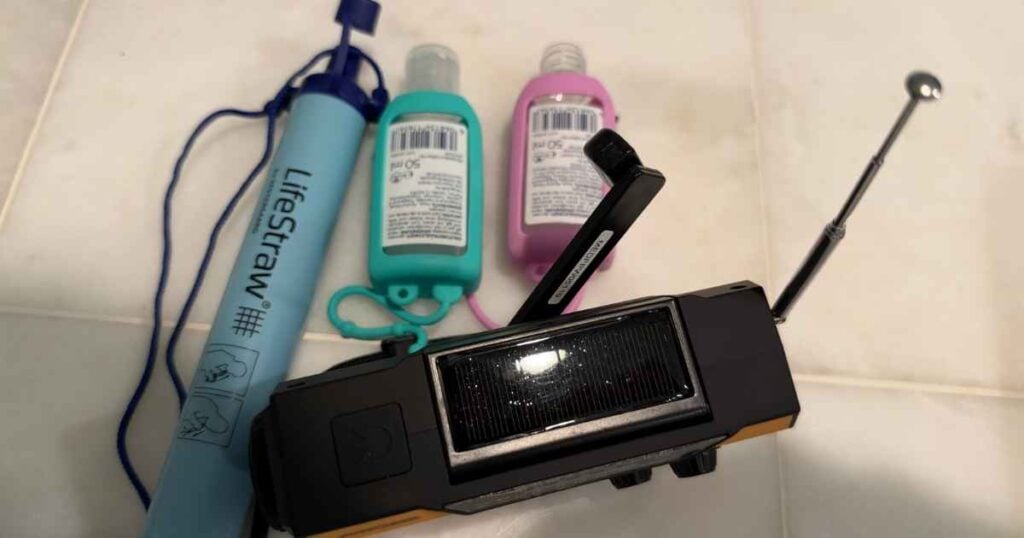
Add wipes, hand sanitizer, tissues, a few trash bags, a small roll of toilet paper, a change of clothes and any menstrual supplies you may need.
Keep a written list of family contacts, medications and insurance information in a waterproof pouch.
Include copies of key documents rather than your only originals and add some cash in small bills.
A whistle, local map and spare house key take up little room.
11. Supplies for pets
If you have a dog or cat, pack a leash or carrier, food, medication, waste bags and a collapsible bowl.
Keep copies of vaccination records and a photo of your pet with your documents. Rotate the food and medication when you check the rest of the kit.
A collapsible pet bowl will come in handy.
What to Keep at Home for a Longer Power Outage
Your home supply can hold what won’t fit in a portable bag: more water and shelf-stable food, extra batteries, blankets, sanitation supplies and a way to charge essential devices.
The Red Cross recommends planning for two weeks of food and water at home.
A portable solar generator
For a long power outage, it’s a good idea to have a portable solar generator. It is a rechargeable power station paired with solar panels.
It can charge phones, lights and certain small appliances; the solar panels give you a way to replenish it during a longer outage.
A dedicated refrigerator backup battery
If you’re worried about losing groceries or medication that needs refrigeration, consider a battery designed specifically for a fridge.
Jackery’s FridgeGuard sits between the wall outlet and a compatible refrigerator and automatically supplies battery power when electricity goes out.
It can power your fridge and keep food safe for up to 15 hours for a typical refrigerator, but actual runtime depends on the fridge’s power use, room temperature and how often the door opens.
Set It Up Once, Then Check It Twice a Year
Pick one spot for the emergency backpack and another for the bulky home supplies. Write the date on a card in the bag.
About every six months, test flashlights and the radio, recharge power banks, replace expired food and medicine, update children’s clothing sizes and check that your documents and contact numbers are current.
You can get started today without buying a thing: gather your existing supplies, see what’s missing and make a short shopping list. That first step makes it much easier to be ready when the next storm or outage arrives.

15 Free Things at Sam’s Club Most Members Don’t Know About
When you think of Sam’s Club, you probably think of bulk groceries, discounted gas, and…
11 Free Things at Costco Most Members Don’t Know About
Most people shop at Costco to save money on groceries, household essentials, and bulk purchases….

Dunkin’ Is Giving Away 1 Million Free Coffees- Here’s How to Get Yours
With coffee prices adding up, who doesn’t love the chance to get a free cup?…

Target is Giving Away Free Gift Cards on Black Friday- Here’s How to Get One
With holiday shopping expenses adding up, who wouldn’t want a free Target gift card? Just…

Chipotle is Giving Away Free Food Before Thanksgiving- Here’s How
With food prices continuing to rise, it’s always welcome news when a restaurant gives customers…
Costco Shoppers Panic Buy Emergency Supplies as Generators Sell Out
Costco shoppers are stocking up on emergency supplies, including bottled water, batteries, canned goods and…