
Everything feels more expensive these days, and unfortunately, the latest inflation numbers confirm that prices are still going up.
According to the latest Consumer Price Index report from the U.S. Bureau of Labor Statistics, consumer prices were up 3.7% in September compared with a year ago. Prices also jumped 0.6% in just one month.
But not everything is going up at the same rate.
Some everyday expenses are increasing much faster than others, and those are the ones that can really put a dent in the family budget.
From filling up the car to eating at a restaurant, here are some of the things getting more expensive right now, along with a few ways I’m trying to save money.
All inflation data in this article comes from the September 2026 Consumer Price Index report published by the U.S. Bureau of Labor Statistics.
1. Gasoline
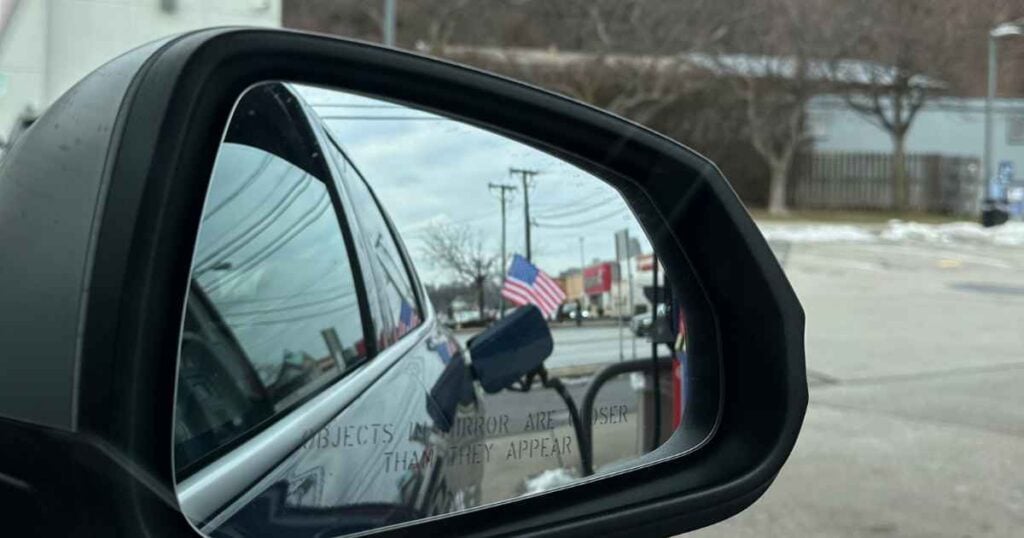
Gas is one of the biggest reasons inflation jumped recently.
Gasoline prices increased 9.1% in September alone and are now 34.2% higher than they were a year ago.
That’s a big increase for anyone who drives frequently, especially families with multiple cars, long commutes or kids who need to be driven everywhere.
This is one expense that’s hard to avoid, but I’m definitely more conscious about combining errands instead of making several separate trips.
2. Airfare

If you’re planning a vacation, you may have already noticed that airfare has gotten more expensive.
Airline fares increased another 1.2% in September and are now 22.4% higher than they were a year ago.
That’s a significant increase, especially when you’re buying tickets for an entire family.
This is one reason I’ve become even more flexible about travel dates. Flying a day earlier or later can sometimes make a big difference.
It’s also worth checking airfare before committing to a cruise or vacation. A great hotel or cruise deal isn’t necessarily a bargain if the flights cost a fortune.
3. Eating at Restaurants

Eating out continues to get more expensive.
Restaurant prices are up 3.5% compared with last year. Full-service restaurant meals are up 3.8%, while limited-service meals, which include many fast food and counter service restaurants, are up 3.2%.
This is one area where I’ve really noticed the difference.
Even a casual family meal can get expensive once you add drinks, tax and tip.
One way I save is by buying discounted restaurant gift cards when I see them at Costco. If I know we’re going to eat at a restaurant anyway, I’d rather buy a $100 gift card for $80 than pay full price.
We’ve also been eating more Costco prepared foods and easy frozen meals on nights when I don’t feel like cooking. They cost more than cooking completely from scratch, but they’re usually still much cheaper than takeout.
4. Electricity

Home energy costs are also creeping higher.
Electricity prices are up 4.4% over the past year. Natural gas service is up 5%.
For homeowners, these increases can be especially noticeable because they’re on top of all the other costs of maintaining a house.
Simple things such as adjusting the thermostat, turning lights off and running full loads in the dishwasher and washing machine probably won’t transform your budget overnight, but every little bit helps when utility costs are going up.
5. Heating Oil

If you live in the Northeast and heat your home with oil, this one hurts.
Fuel oil prices are up a staggering 74.2% compared with a year ago.
That can translate into hundreds or even thousands of dollars in additional heating expenses over the course of a cold winter.
If you use heating oil, it’s worth comparing prices between suppliers rather than automatically ordering from the same company.
You may also want to check whether your supplier offers a price-protection plan or automatic delivery discount, although it’s always important to compare the actual numbers before signing up.
6. Home and Car Repairs

Maintaining a car isn’t getting any cheaper either.
Car maintenance and repair prices are up 5.8% compared with last year.
For me, this is a good reminder that putting off routine maintenance can sometimes cost more in the long run.
It’s also worth getting more than one estimate for a major repair. When the bill is several thousand dollars, even a 10% difference between contractors or repair shops can be significant.
The same applies to home repairs. I rarely assume the first quote is automatically the best quote.
7. Clothing
Clothing prices have also been rising.
Apparel prices are up 3.4% compared with last year.
This is one category where I rarely feel like I need to pay full price.
I’ve found some of my best clothing deals by waiting for Costco markdowns, especially when prices end in .97 or items are being cleared out at the end of a season.
I also try to buy ahead when I find basics at a really good price rather than waiting until someone urgently needs something.
8. Housing

Housing continues to be one of the biggest pressures on household budgets.
The government’s shelter index, which includes rent and the estimated cost of owning a home, is up 3.2% over the past year.
Even homeowners with fixed-rate mortgages aren’t immune to rising housing costs.
Property taxes, insurance, repairs, utilities and maintenance can all increase even when your mortgage payment doesn’t.
For homeowners, it makes sense to shop around periodically for homeowners insurance and question large renewal increases instead of automatically paying them.
9. Medical Care
Medical expenses are another category that continues to rise.
Overall medical care costs are up 1.5% over the past year, while hospital services are up 5.6%.
Medical bills can be difficult to predict, which makes them particularly frustrating for household budgets.
I always review medical bills and insurance explanations of benefits rather than assuming every charge is correct. It’s also worth checking whether routine care, prescriptions or lab work cost less through an in-network provider.
10. Entertainment and Recreation

Even having fun is getting more expensive.
Recreation prices are up 2.8% over the past year.
When you’re trying to save money, this is one of the easier areas to adjust without eliminating fun completely.
Look for free community events, library activities, parks, beaches and other inexpensive things to do close to home.
I also like looking for discounted tickets through Costco, local organizations and membership programs before buying directly.
One Thing That’s Not Rising as Fast: Groceries
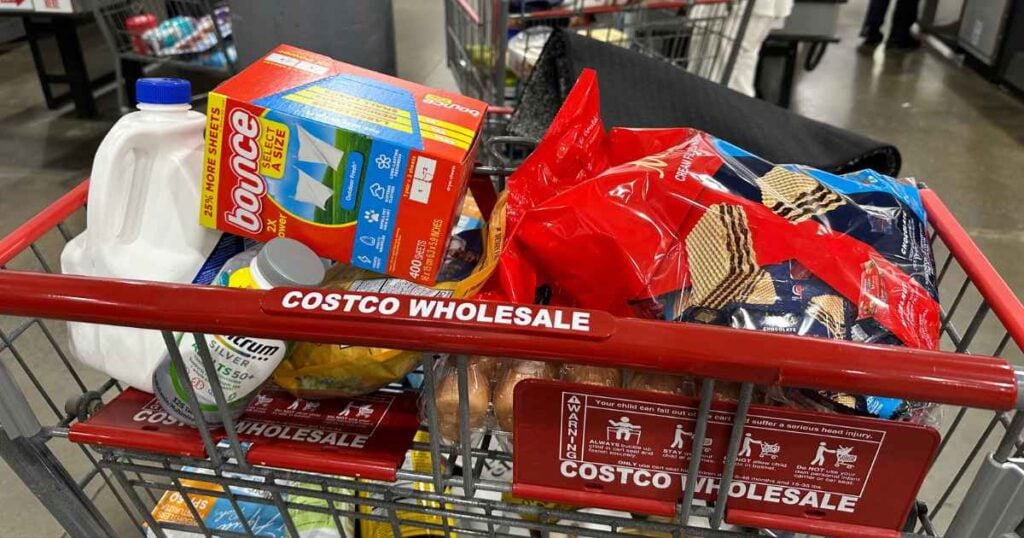
Here’s something that surprised me.
Even though grocery prices still feel high, grocery inflation isn’t nearly as bad as some of these other categories.
Food at home prices are up 1.8% compared with last year, and grocery prices actually fell 0.1% in September.
That doesn’t mean groceries are cheap.
The important thing to remember about inflation is that slowing inflation doesn’t mean prices go back to what they used to be. It just means they’re rising more slowly.
So if your grocery bill increased significantly over the past several years, those higher prices are still largely baked into what you’re paying today.
There are also big differences depending on what you’re buying.
Fruits and vegetables are up 3.7% over the past year, nonalcoholic beverages are up 3.8%, and cereals and bakery products are up 2.1%. On the other hand, dairy prices are actually down 0.7%.
That’s why I’m shopping sales more carefully and comparing unit prices instead of assuming Costco, Trader Joe’s, Target or the supermarket will always have the lowest price.
What I’m Doing Differently Because of Inflation
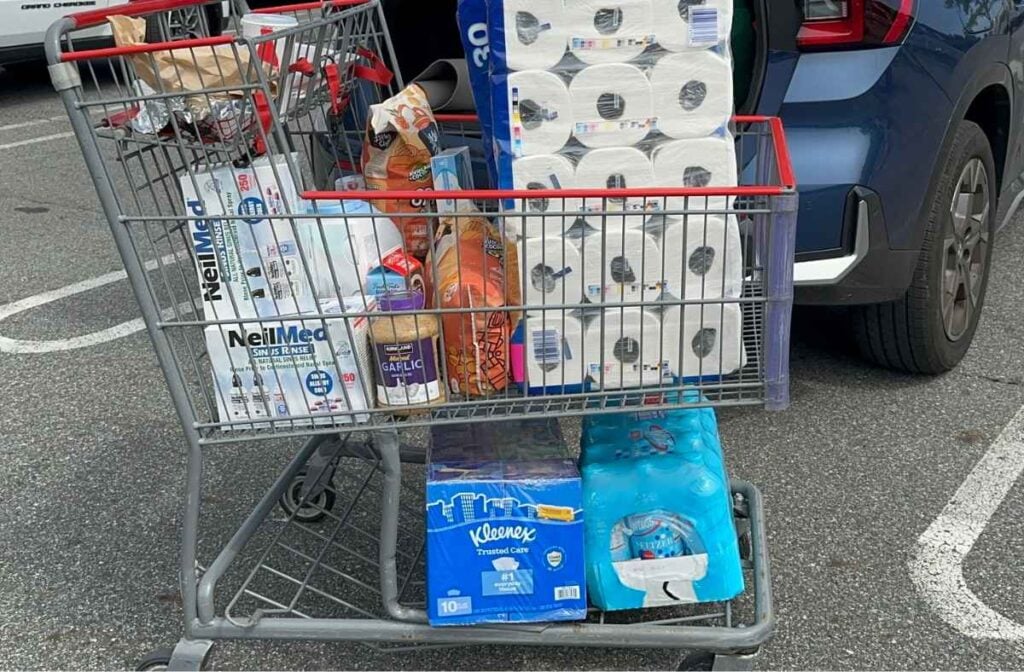
I’m not making any drastic changes, but I am being much more selective about where we spend money.
I stock up when things we regularly use go on sale. I buy discounted restaurant gift cards when I know we’ll use them. I wait for clearance prices on clothing and household items. I compare prices before making bigger purchases.
And I’m trying to distinguish between things that are a good deal and things that are simply cheap.
Buying something you don’t need for 50% off isn’t saving money.
When prices are rising, I think the best strategy is to focus on the expenses you can actually control.
I can’t control the price of gasoline or electricity, but I can decide how often we eat out, whether I pay full price for clothing, where I buy groceries and whether I shop around before making a major purchase.
Those small decisions can add up, especially when almost everything else seems to cost more.
Inflation is Rising: 10 Things Getting More Expensive Right Now
Everything feels more expensive these days, and unfortunately, the latest inflation numbers confirm that prices…
New HomeGoods Stores Opening in 2026: State by State List
HomeGoods is opening more stores, giving shoppers new places to browse for furniture, kitchenware, seasonal…
My $308 Costco Haul: Clearance Deals, Easy Meals and Grocery Prices
I went to Costco to buy a few things to bring my daughter for college…
I Compared Costco vs. Target Prices- These Foods Were Cheaper at Costco
Is Costco really cheaper than Target? I decided to find out. I price checked a…
Trader Joe’s Frozen Berry Recall: Check Your Freezer
If you shop at Trader Joe’s and keep frozen fruit on hand for smoothies, yogurt…
24 Costco Breakfast Foods That Make Busy Mornings Easier (with Prices)
I don’t know about you, but mornings in my house always feel like a mad…