

I love Costco and honestly can’t imagine ever giving up my membership. I’m one of those loyal shoppers who end up there almost every week.
But even with all the great deals, Costco is not perfect. There are definitely a few things that drive me a little crazy every time I shop there. Here are some of the most annoying things about shopping at Costco.
The Hours Do Not Fit My Daily Life
For a warehouse designed for busy families, Costco’s hours can feel surprisingly inconvenient. Most locations close by 8:30 PM on weekdays, with even earlier closing times on weekends — mine shuts its doors at 7 PM on Saturdays and 6 PM on Sundays. For families juggling work, school pickups, sports practices, errands, and everything else packed into the day, those hours do not leave much flexibility.
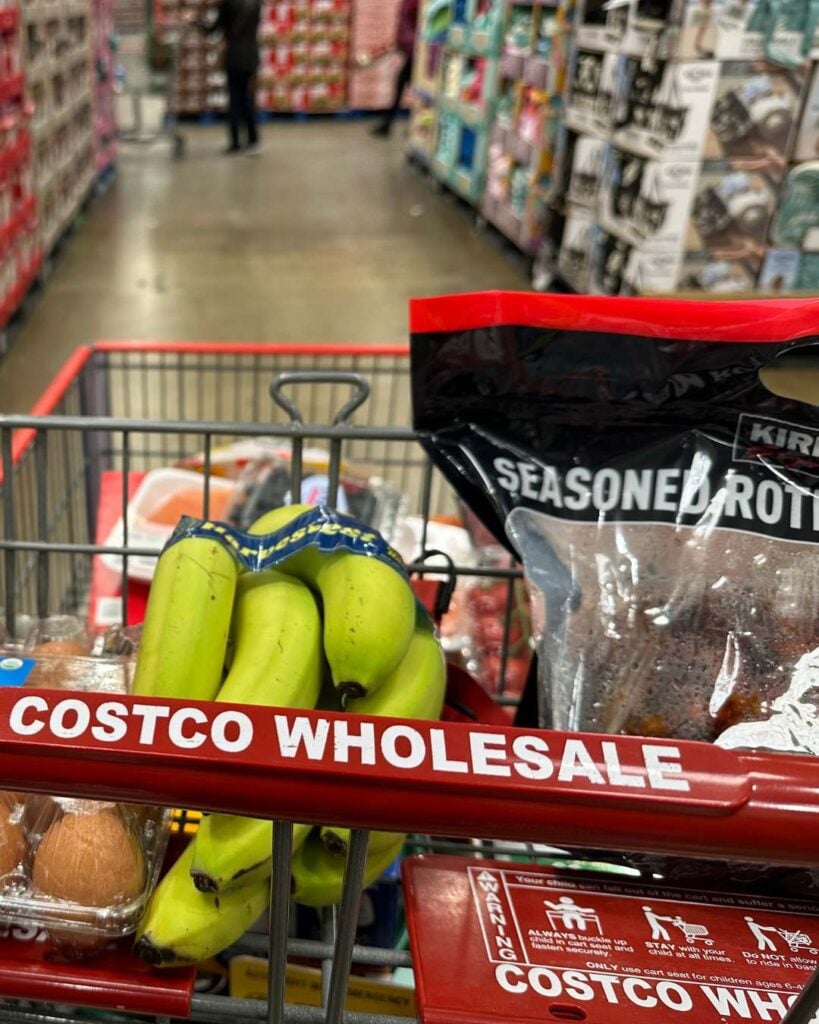
The opening hours can be just as frustrating. Many Costco warehouses do not open until 10 AM on weekdays and Sundays, with slightly earlier openings on Saturdays. Executive members may get early access, but even then, it can still feel late for anyone trying to shop before work or squeeze in errands after school drop-off.
I have lost count of how many times I have gone to Costco right after dropping my kids off at school, only to find myself waiting outside for the doors to open — and that is as an Executive member. For many shoppers, the hours simply do not match the reality of busy schedules, making it harder to fit a Costco run into everyday life.
The Parking Lot Is a Zoo
Before you even set foot inside the warehouse, you have to survive the parking lot — and Costco parking lots are some of the most stressful.
On a busy Saturday, people circle the lot for 15 to 20 minutes looking for a spot. Shoppers literally follow other shoppers with full carts, stalking them back to their cars, then sitting and waiting. Horns honk. People cut each other off. Arguments break out over a single parking space.
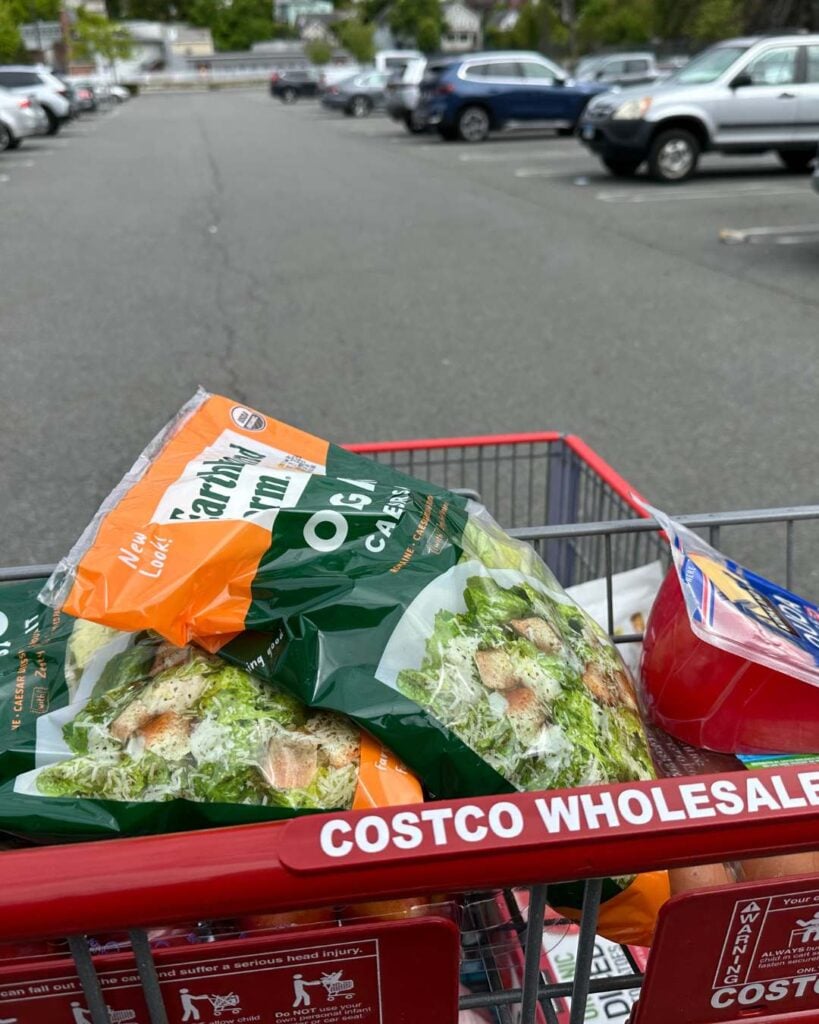
The root cause is simple: many Costco warehouses were built decades ago when membership numbers were far smaller. The parking infrastructure has never kept pace with how dramatically the company has grown. And with over 133 million members worldwide, that gap is only getting worse.
They Discontinue Products Without Warning
This is the one that frustrates me the most. Here is how it usually goes: you discover something you love — a favorite snack, an easy frozen meal, or a Kirkland Signature item that quickly becomes part of your routine. You buy it regularly, recommend it to friends, and maybe even start planning meals around it.
Then one day, you go back to grab more… and it is gone.
No warning. No explanation. Just an empty spot on the shelf, leaving you wondering if it is temporarily out of stock or gone forever. You keep checking every visit, hoping it will magically reappear, but many times, it never does.
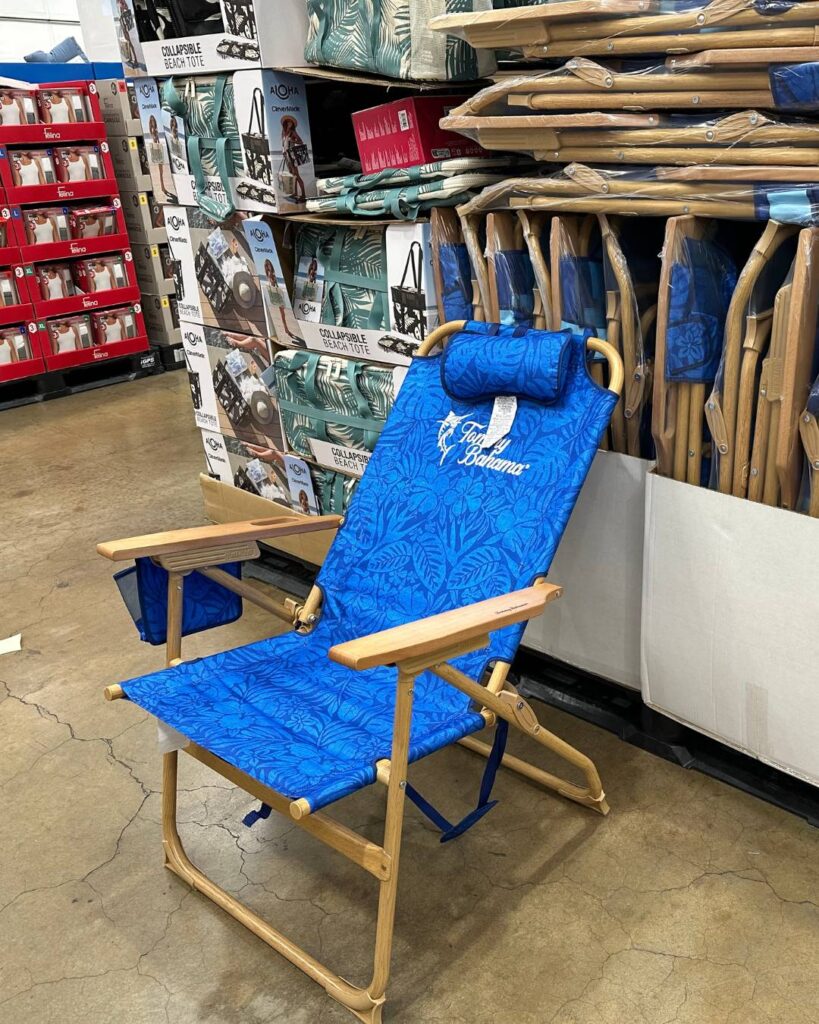
Costco intentionally rotates products and keeps a more limited selection as part of its “treasure hunt” shopping strategy. The idea is to create excitement and encourage shoppers to buy items before they disappear. From a business perspective, it works. But for loyal shoppers who get attached to favorite products, it’s frustrating.
You Go In for One Thing and Somehow Spend $300
Shopping at Costco takes a lot of self-control. You walk in planning to buy paper towels and eggs, and somehow leave with a cart full of seasonal snacks, clearance finds, clothes, frozen appetizers, and at least three things you never planned to buy.
Sticking to a shopping list at Costco feels almost impossible because temptation is everywhere. Between free samples, giant displays, limited-time seasonal items, and deals that feel too good to pass up, it is easy to convince yourself that you “might as well get it now” before it sells out.
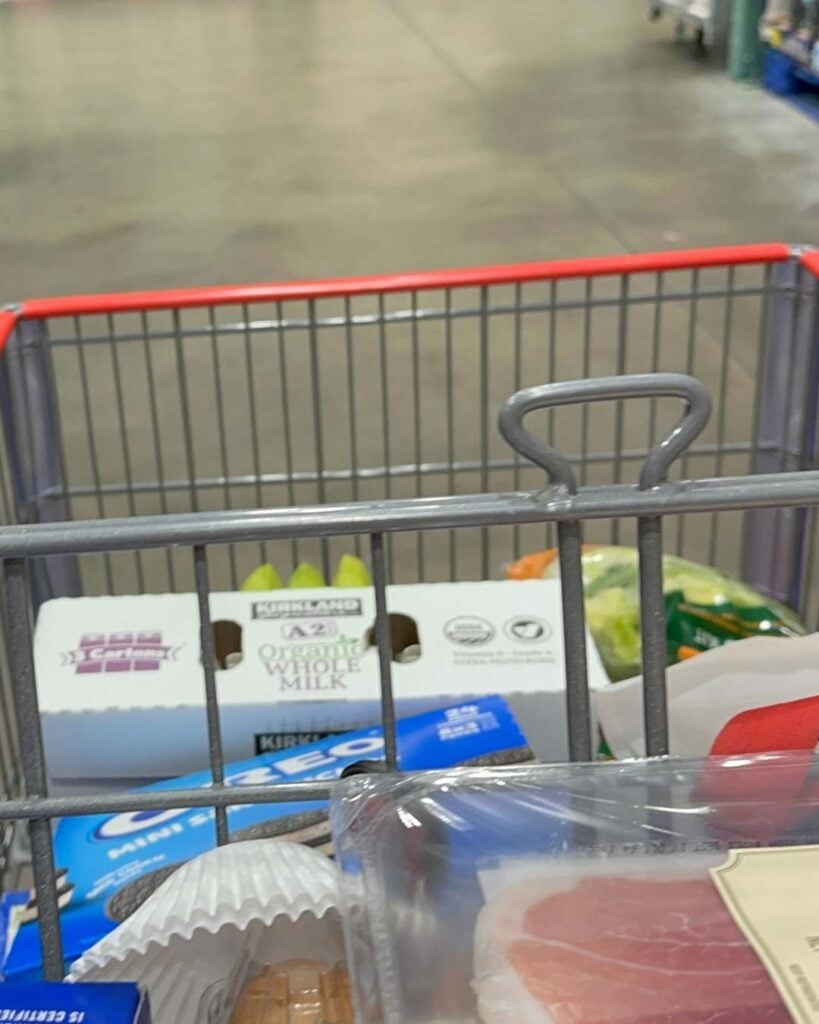
Costco’s treasure-hunt shopping experience is designed to make browsing feel exciting. The rotating inventory and bulk pricing create a sense of urgency that turns impulse shopping into part of the experience. What was supposed to be a quick, inexpensive trip can quickly spiral into a surprisingly expensive one.
The worst part? Spending $300 at Costco starts to feel normal. You walk out thinking, “Well, at least I only spent $300 and not $500!” even though you originally came in for just a couple of essentials.
Bulk Sizes That Do Not Work for Everyone
Costco’s biggest promise is simple: buying in bulk saves money. And many times, it does — but not always, and definitely not for everyone.
The reality is that buying a giant-sized product only saves money if you actually use it before it expires, goes stale, or ends up in the trash. I cannot count how many times I bought something in bulk with the best intentions — usually for a recipe I swore I was going to make — only to get busy, forget about it, and later discover it hiding in the back of the fridge completely spoiled.

Fresh produce, giant containers of dairy, family-sized deli items, and oversized condiments can easily go bad before smaller households have a chance to finish them. Suddenly, those “savings” do not feel like savings anymore.
Even non-perishable items are not immune to this problem. Spices lose flavor over time, snacks get stale, and giant cleaning products can sit under the sink for years before they are finished. Saving money per unit only matters if you actually use every unit — otherwise, bulk buying can quietly turn into waste.
Samples Create Traffic Jam
Free samples are one of the best parts of shopping at Costco, but also one of the most annoying. I don’t like how it can turn the aisle into total gridlock. It only takes a few shoppers stopping for mini cups of soup or frozen appetizers to create a bottleneck.
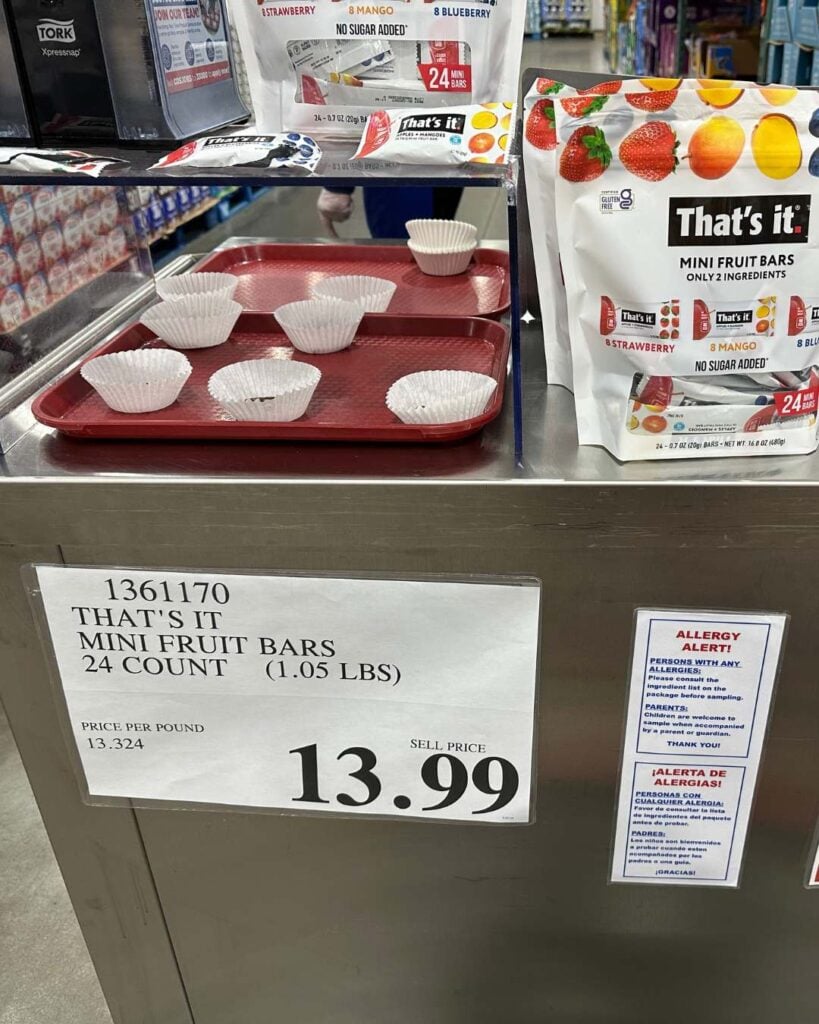
Some people park their oversized carts right in the middle of the aisle while they wait, making it nearly impossible to get around. The worst is on busy weekends, sample stations can turn an already crowded warehouse into an obstacle course, especially near popular sections like frozen foods and snacks.
Weekend Shopping Feels Chaotic
I always try to avoid shopping at Costco on weekends because it can feel overwhelming. The parking lot is packed, carts are everywhere, and the warehouse somehow feels twice as crowded as usual. Popular aisles get clogged, people stop suddenly in the middle of walkways, and checkout lines can take forever.
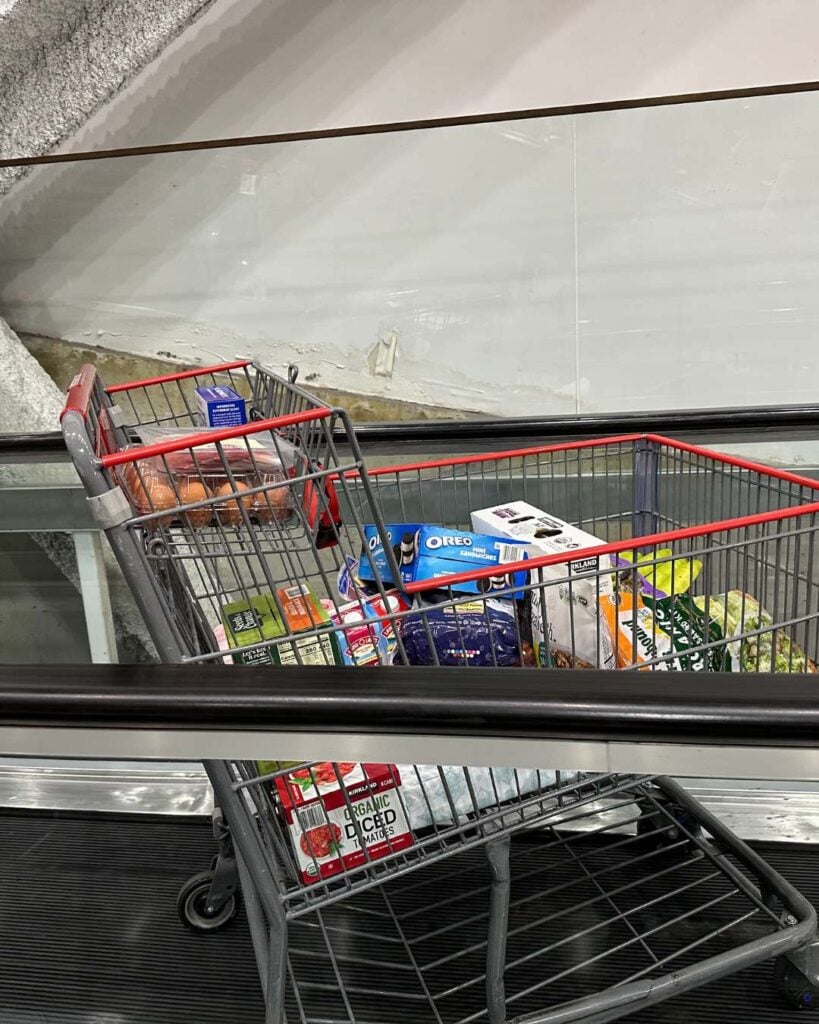
The worst part for me is that my Costco is multi-level. Waiting for a turn on the escalator with a giant cart — or trying to squeeze onto an elevator packed with shoppers — can add even more time to an already stressful trip. What should be a quick run for a few essentials can easily turn into an exhausting, hour-long shopping marathon.
Good luck getting in and out of Costco on a Saturday afternoon.
The Food Court Line Can Get Long
That famous cheap hot dog combo or giant pizza slice sounds like the perfect reward after shopping — until you see the line. During busy times, the food court area can get especially crowded, turning what should be a quick snack into a very long wait.
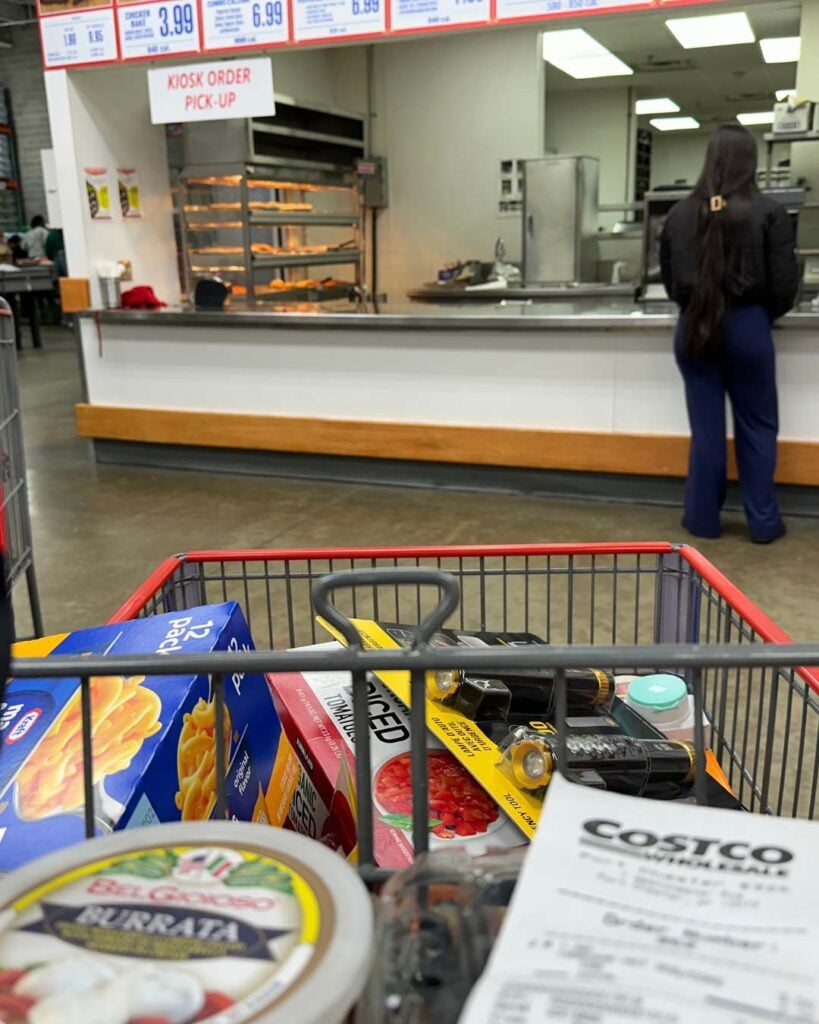
Finding a table is impossible, people crowd around waiting for orders, and the whole area gets hectic fast.
For me, it is the pepperoni pizza. I almost always order the $9.95 whole pizza, and I have learned to call ahead to save time. But even that can be frustrating — sometimes it takes a while for someone to answer the phone, and once I get there, I still end up waiting my turn to pick it up. A quick Costco trip somehow turns into a much longer outing than planned.
The Checkout and Exit Process Is Exhausting
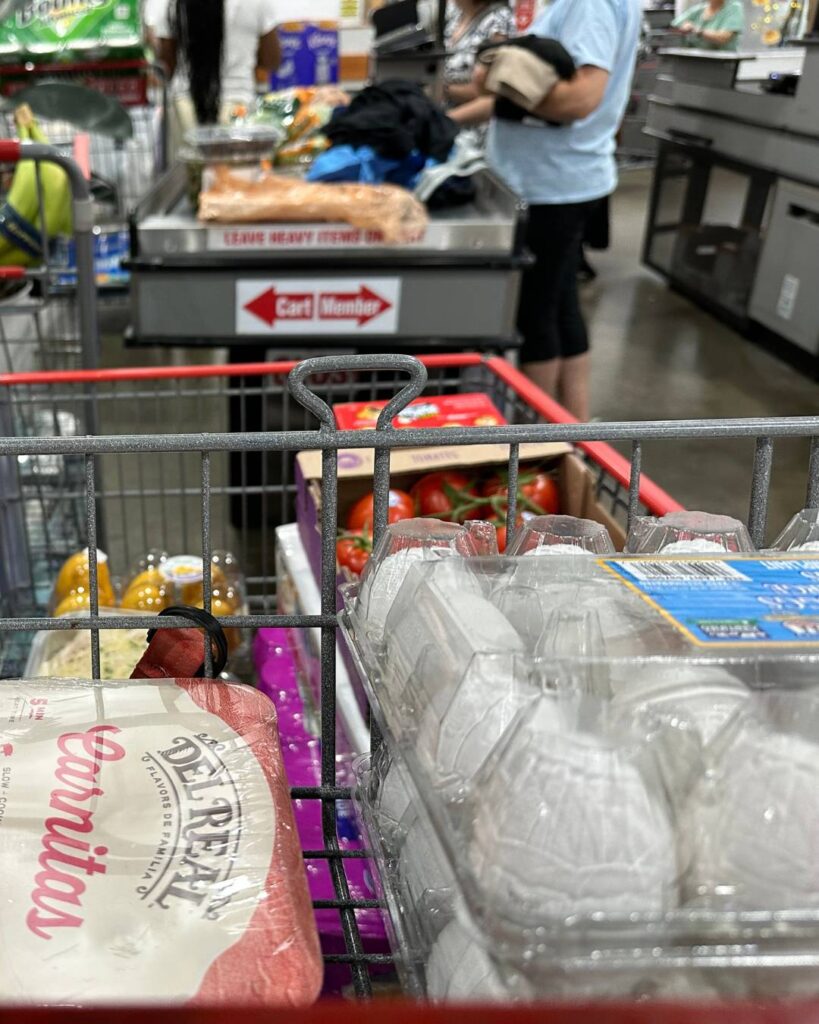
Costco has slowly started rolling out self-checkout, but the overall checkout experience is still one of the biggest frustrations for many members. Those giant carts piled high with bulk items are not exactly easy to scan yourself, and on busy days, checkout lines can stretch halfway across the warehouse.
But the wait does not end once you pay. Before leaving, every shopper has to stop for the receipt check, where an employee compares your receipt to the items in your cart. At many locations, this creates a second bottleneck just to get out the door.

Compared to competitors like Sam’s Club, where the Scan & Go app lets shoppers skip checkout lines entirely, Costco still feels slow. Between waiting to pay and waiting again to leave, a quick shopping trip can end up taking much longer than expected.
Third-Party Salespeople on the Floor
Another frustrating part of shopping at Costco is dealing with third-party salespeople. Whether it is cellphone plans, internet providers, or home services, it can feel like there is always someone trying to stop you in the middle of your shopping trip.
For me, the cellphone kiosks are the worst. It feels impossible to walk by without someone trying to start a conversation about switching carriers or saving money on a phone plan. Sometimes I just want to grab what I came for and keep moving, but instead, I feel like I have to dodge a sales pitch.
What makes it especially awkward is not wanting to come across as rude. I naturally feel bad ignoring people or avoiding eye contact, but at the same time, I just want to shop in peace without feeling pressured into a conversation I never wanted to have. When you are already navigating crowded aisles and giant carts, the last thing you want is another interruption slowing you down.
The Store Layout Can Get Frustrating
One of the most frustrating things about Costco is how often the store layout changes. Even if you have been a member for years and know your local warehouse well, you can walk in one day and find everything rearranged. It is not random — it is a deliberate retail strategy designed to make shoppers spend more time exploring the store.
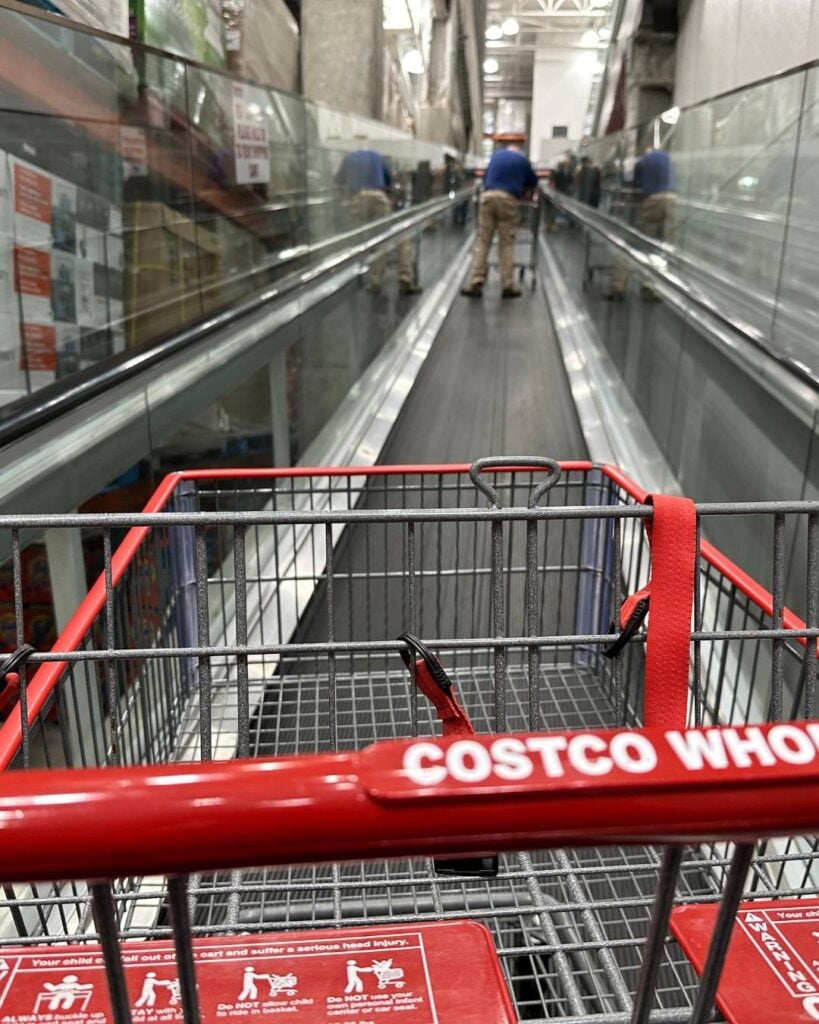
That might work for browsing, but it is annoying when you are trying to get in and out quickly. Another common tactic is placing everyday essentials like milk, eggs, and bread all the way at the back of the warehouse. That means you have to walk past aisles of tempting deals just to grab basic necessities.
For me, it is even more frustrating because my Costco is multi-level, so I often have to take the escalator just to reach the basics. It adds another layer of delay when all I want is a quick grocery run.
In the end, the layout does its job a little too well — the average Costco trip takes longer than expected and almost always ends with more money spent than planned.
You Are Paying to Shop There
One of the most unusual things about Costco is that you are paying just to walk through the door. Unlike most grocery stores or discount retailers, Costco requires an annual membership fee before you can even shop.
The standard Gold Star membership is $60 a year, while the Executive membership is $120. Yes, Executive members can earn 2% back on qualifying purchases, and many households do save more than the fee in the long run. But the reality is still different from most retailers — you are paying upfront for the privilege of shopping.
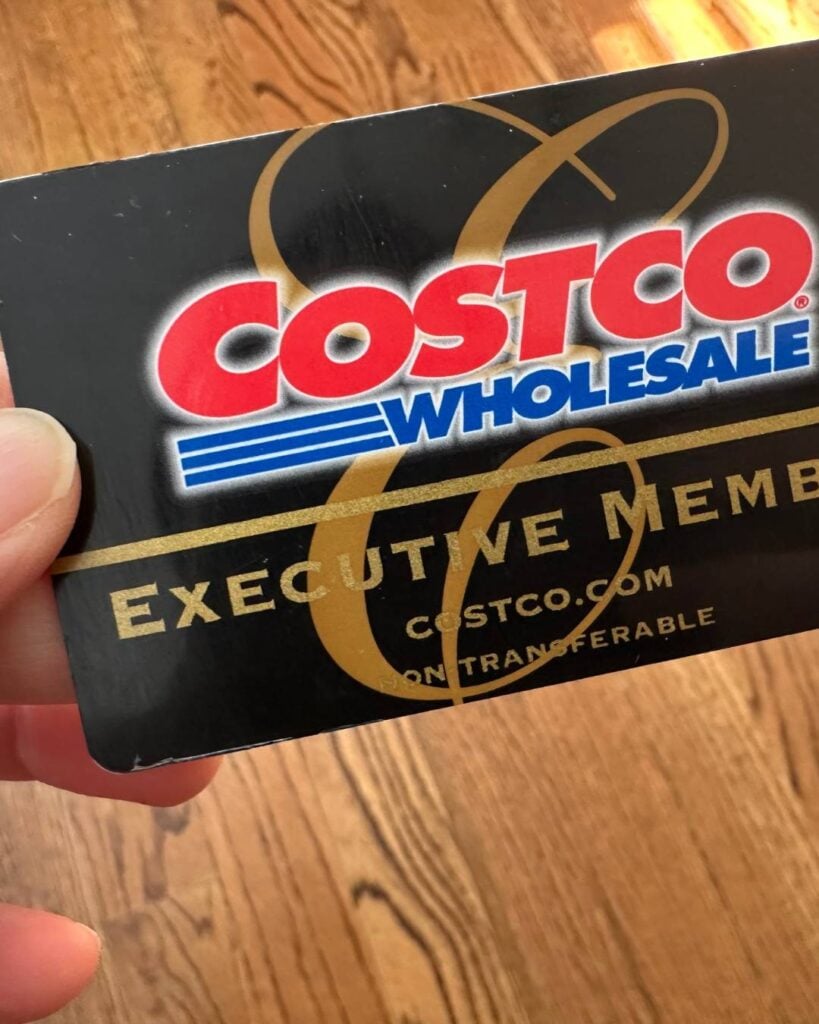
For smaller households, singles, apartment dwellers with limited storage, or anyone trying to stick to a tight budget, that annual fee can feel like a real barrier. It is essentially a cost you pay before you even buy anything, and if you do not shop there often enough, you may never make that money back in savings.
Before signing up or renewing, it is worth honestly calculating whether your Costco spending actually justifies the membership. For many people it does. For others, it becomes an extra expense they are not fully using.
15 Reasons I’ll Never Cancel My Costco Membership (No Matter What)
15 Costco Items You Should Think Twice Before Buying
19 Best Costco Food Buys for People on a Tight Budget or Fixed Income