

Costco is one of the most beloved membership-based retailers in the world, known for its bulk bargains, generous return policy, and friendly shopping environment. But even Costco has limits.
Costco expects members to follow certain unspoken rules to maintain fairness, safety, and respect for both employees and other shoppers. Violating these unspoken rules can lead to warnings, suspension, or even permanent loss of membership. Here are 8 behaviors that can get your Costco membership canceled.
Abusing the Return Policy

Costco’s return policy is famously generous, allowing members to return most items at any time for a full refund. This policy is built on trust, assuming that members will use it responsibly.
However, some shoppers take advantage of this leniency by returning items that have been heavily used, damaged through misuse, or purchased years ago. Others may attempt to return products that clearly fall outside the policy, such as electronics after the 90-day window or perishable goods that are half eaten.
Repeated abuse of the return system can trigger internal reviews of a member’s account. Costco tracks return patterns, and excessive or suspicious activity can lead to restrictions or outright membership termination. The policy is meant to protect honest customers, not to serve as a “free rental” program.
Skipping the Receipt Check
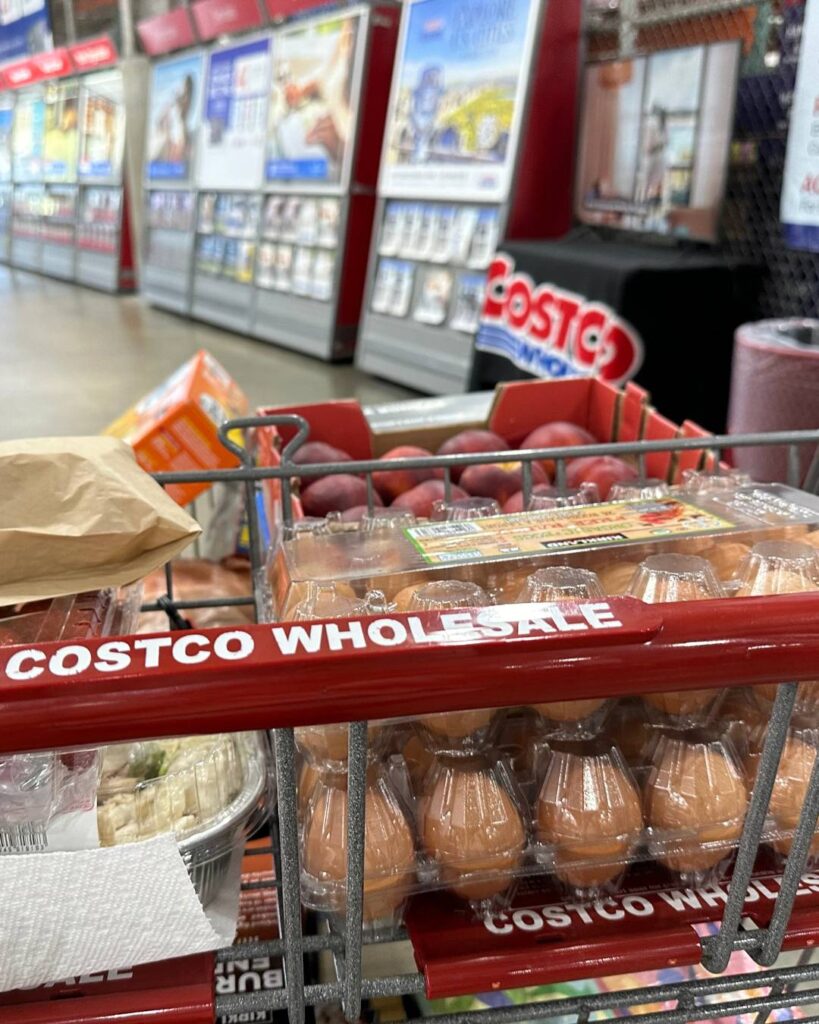
Every Costco shopper knows the routine: after checkout, a staff member at the exit reviews the receipt and compares it to the items in the cart. This process isn’t just about preventing theft—it also helps catch scanning errors, double charges, or missed items.
Refusing to show a receipt or attempting to bypass this step can be seen as noncompliance with store policy. While some members may view it as an inconvenience, it’s a critical part of Costco’s operations.
Repeatedly ignoring or arguing about the receipt check can result in being asked to leave the store or, in extreme cases, losing membership privileges. Cooperation ensures a smooth experience for everyone.
Abusing the Price Match Policy

Costco is generous with its price adjustment policy. If an item purchased goes on sale shortly after, Costco will often refund the difference to ensure members always get the best deal. However, this courtesy has limits.
Some shoppers attempt to repeatedly request price adjustments as prices continue to drop, especially when items move to clearance. While one adjustment is typically honored, repeatedly asking for additional refunds as prices decline further is considered abuse of the policy.
Costco’s system is designed to be fair, not to allow members to chase every markdown. Excessive or manipulative use of price matching can result in warnings or even membership review. The policy exists to reward fairness, not to be exploited for endless discounts.
Skipping the Card Scan at the Entrance
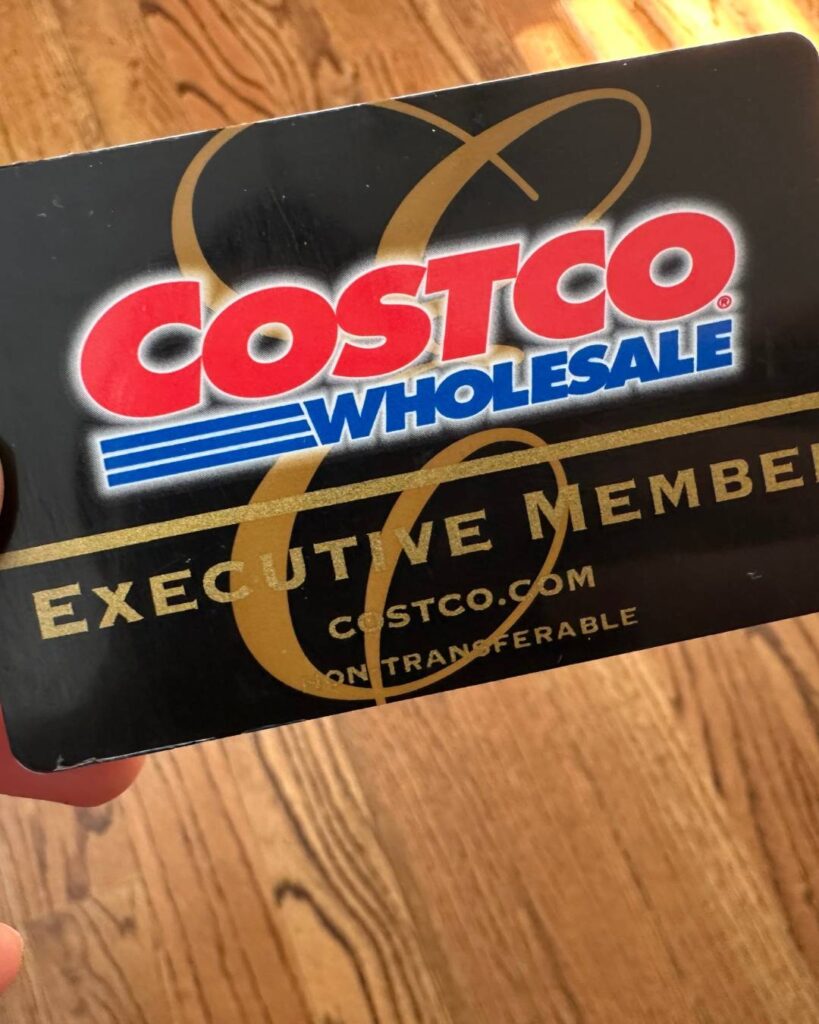
Costco requires a membership card scan at the entrance to verify that each shopper has an active account. This rule helps maintain the exclusivity of membership and ensures that only paying members enjoy the benefits.
Trying to sneak in without scanning a card, using someone else’s membership, or sharing a card with non-members violates Costco’s terms. Employees are trained to enforce this rule strictly, and repeated attempts to bypass it can lead to immediate revocation of membership.
Costco’s business model depends on membership fees, so protecting that system is essential to keeping prices low for everyone.
Shoplifting

Shoplifting is a zero-tolerance offense at Costco. Whether it’s intentionally concealing items, “forgetting” to scan something at self-checkout, or leaving unpaid merchandise in the cart, theft of any kind results in immediate membership cancellation and possible legal action.
Costco’s stores are equipped with extensive surveillance systems, and the receipt verification process at the exit makes it difficult to get away with theft. Even small infractions are taken seriously, as they undermine the trust-based environment Costco strives to maintain. Once caught, a member’s account is permanently flagged, and rejoining is rarely allowed.
Household Members Violating Policies

Costco memberships often extend to household members, allowing them to shop under the same account. However, the primary member is responsible for the actions of everyone linked to that membership. If a spouse, partner, or family member misuses the card, violates store rules, or engages in prohibited behavior, Costco may revoke the entire household’s membership.
This policy encourages accountability and ensures that all members of a household understand and follow Costco’s guidelines. It also prevents individuals from using another person’s membership as a loophole to avoid consequences for misconduct.
Abusing the Membership Cancellation Policy

Costco’s membership guarantee allows members to cancel at any time for a full refund of their annual fee. This policy is designed to give shoppers confidence in their membership, knowing they can opt out if unsatisfied.
However, some individuals exploit this policy by repeatedly joining, canceling, and rejoining to take advantage of promotions or avoid paying for a full year.
Costco monitors such patterns and may flag accounts that show repeated cancellations or suspicious activity. In these cases, the company reserves the right to deny future memberships or restrict refunds. The cancellation policy is meant to build trust, not to be used as a revolving door for free access.
Being Rude or Abusive to Employees

Costco is known for treating its employees well, offering competitive pay and benefits. In return, the company expects members to treat staff with respect. Verbal abuse, harassment, or aggressive behavior toward employees can result in being asked to leave the store immediately.
Repeated incidents or severe misconduct—such as yelling at cashiers, refusing to follow directions, or threatening staff—can lead to permanent membership termination. Costco’s culture emphasizes courtesy and professionalism, and maintaining that environment is a top priority. Respectful interactions ensure a positive experience for both employees and members.