
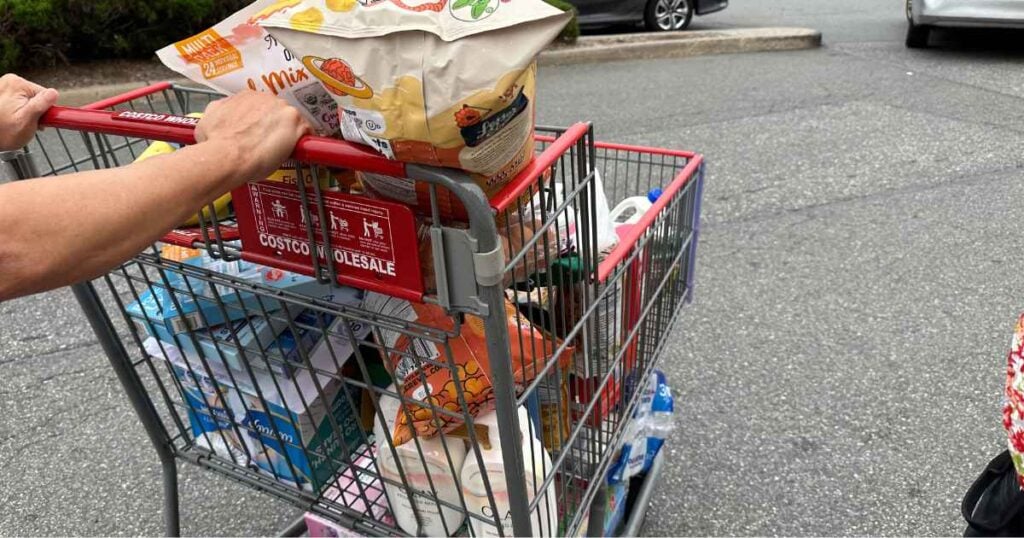
Costco can save you a lot of money, but it can also be one of the easiest places to overspend.
You walk in planning to buy milk, eggs and a rotisserie chicken. Then you spot a sweater, a seasonal decoration, a giant bag of snacks and something from the bakery. Before you know it, your cart is full and your receipt is much higher than you expected.
The problem isn’t necessarily Costco’s prices. Many Costco items are a good deal. It’s often our shopping habits that turn an inexpensive Costco run into a $300 trip.
Here are shopping habits that may be quietly inflating your Costco bill.
Shopping Without a List
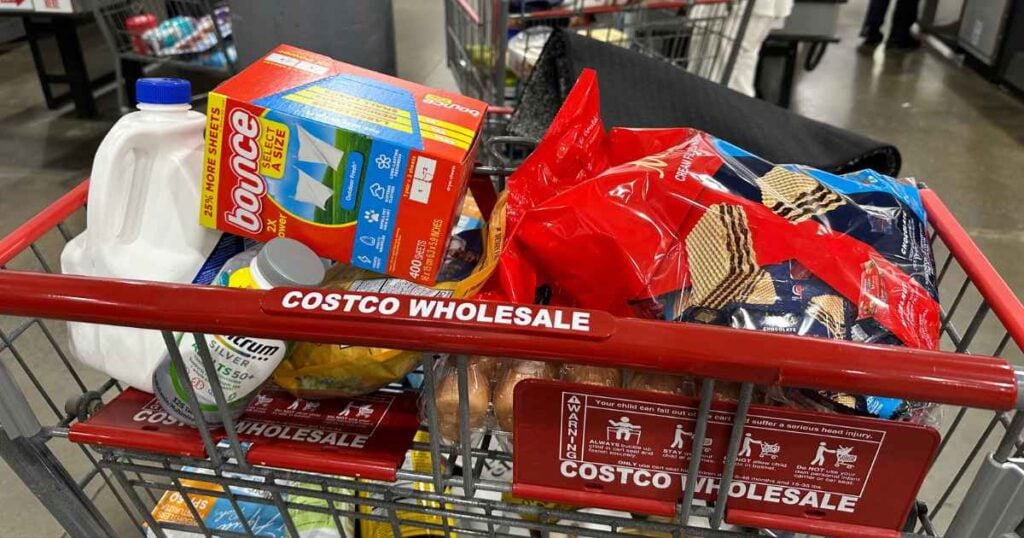
Going into Costco without a shopping list makes it much easier to overspend. If your plan is to walk the aisles and hope you’ll remember what you need as you go, that’s where things can get expensive fast.
There are simply too many things competing for your attention. You might head in for groceries, but before you even reach the refrigerated section, you’ve already passed clothes, seasonal items, electronics and home goods.
I find that when I know exactly what I need, I’m much less likely to wander around looking for things to buy. Spend a few minutes before each Costco trip making a list, then do your best to stick to it once you’re there.
It helps keep you focused and makes it much easier to avoid those random extras that can quickly inflate your bill.
Stocking Up Without Checking Your Pantry First
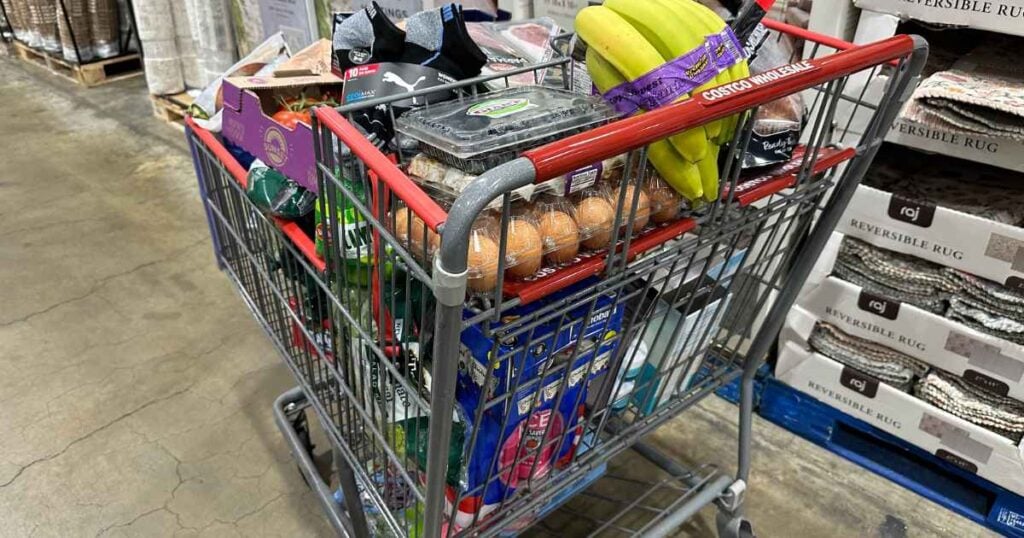
I’m often guilty of this one.
Before going to Costco, take a few minutes to check your pantry, refrigerator and freezer so you know what you already have and what you actually need.
You may realize you still have an extra bottle of dishwasher detergent you bought on sale during your last trip, or another bottle of multivitamins tucked away in the cabinet that you completely forgot about.
Because Costco sells so many things in large quantities, accidentally buying duplicates can take up a surprising amount of space—and money.
It’s especially easy to forget what you have when items are buried in the back of the freezer or hidden behind other things in the pantry.
A quick inventory before you leave the house can help you avoid unnecessary purchases and keep you from stocking up on things you already have.
Shopping at Costco When You’re Hungry

Costco is not the place I want to be when I’m hungry.
Suddenly every snack looks good. The bakery smells amazing. Frozen appetizers you wouldn’t normally consider start looking like necessities.
And because Costco sells food in large quantities, one impulse purchase can easily add $10, $15 or more to your bill.
Try eating before you shop.
If you’re already at Costco and you’re starving, grabbing something inexpensive from the food court before you start shopping may actually save you money.
Assuming Everything at Costco Is Cheaper

Costco has a reputation for great prices, but that doesn’t mean every item is automatically the best deal.
Sometimes your local grocery store, Walmart, Target or Amazon can beat Costco’s price, especially when there’s a sale or promotion.
I find this happens a lot with meat, seafood and produce. When my local grocery store runs a good weekly special, the price per pound can actually be lower than Costco’s.
That’s why I try not to assume the bigger package is always the better value. Compare the price per ounce, pound or unit whenever you can, especially on items that frequently go on sale elsewhere.
A Costco-sized package may look like a bargain, but if another store is running a strong promotion, it may be worth buying the smaller package instead.
Buying Items at Full Price That Frequently Go on Sale
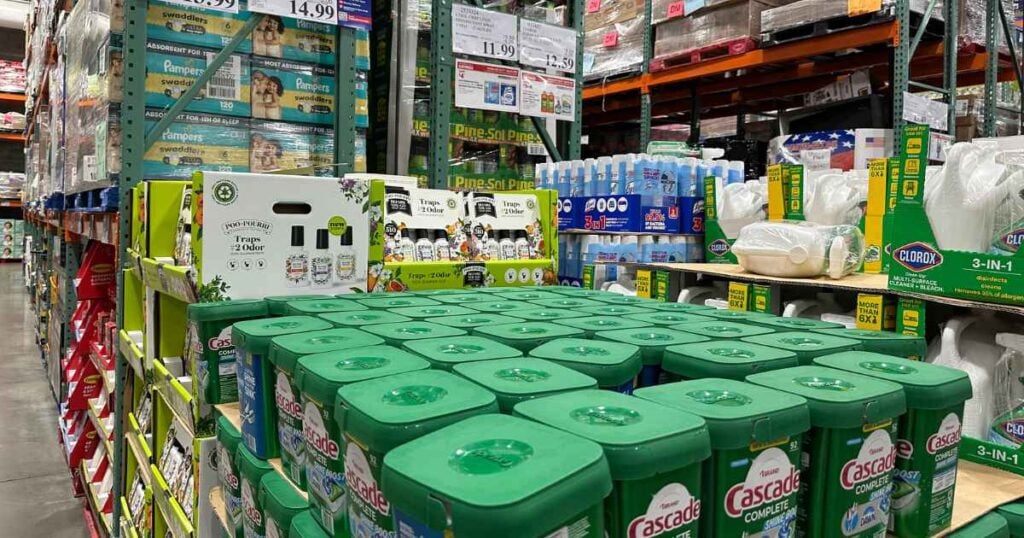
Some Costco products go on sale regularly.
Laundry detergent, dishwasher pods, shampoo, vitamins, cleaning supplies and packaged snacks are the types of products that often show up in Costco’s Instant Savings promotions.
If it’s something I buy regularly and I’m not completely out, I sometimes wait.
Saving $4 or $5 on one item may not seem like a big deal, but those savings can add up when you’re buying several household staples.
The trick is knowing the difference between waiting for a sale and waiting until you desperately need something.
Buying Something Just Because It’s on Clearance

Costco clearance prices can be tempting, especially when you see a price ending in .97.
But a discounted item is only a bargain if you actually wanted or needed it.
Buying a $9.97 sweatshirt you had no intention of buying didn’t save you money. You still spent $9.97.
Before putting a clearance item in my cart, I like to ask myself whether I would still want it if it weren’t marked down.
If the answer is no, I probably don’t need it.
Buying Produce Your Family Can’t Finish
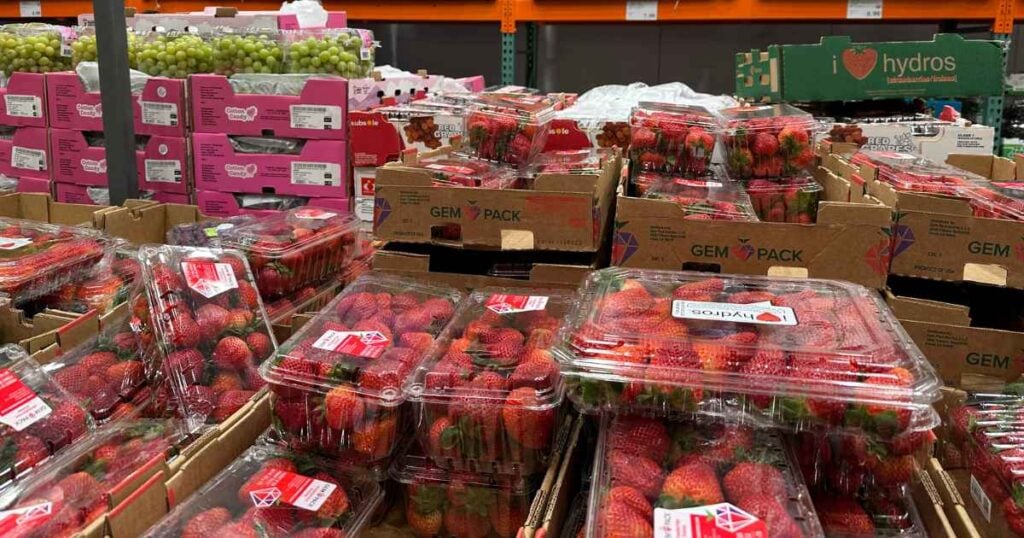
Buying produce in bulk can be a great deal if your family eats a lot of fruits and vegetables.
But if half the strawberries, avocados or salad greens end up in the trash, the savings disappear.
Before buying a Costco-sized container of produce, think realistically about how much your household will eat before it goes bad.
Sometimes paying a little more per pound at the grocery store for a smaller quantity can actually cost less overall.
Falling for the Seasonal Section
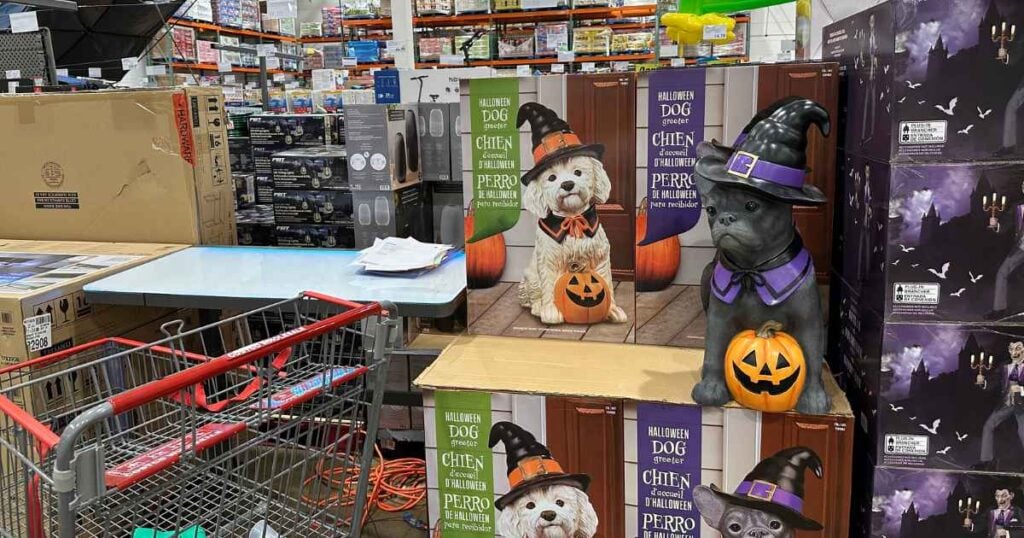
Costco’s seasonal section is one of the hardest parts of the store to resist.
One month it’s patio furniture and gardening supplies. Then suddenly it’s Halloween. Before you know it, the Christmas trees, holiday treats and oversized decorations have arrived.
Seasonal merchandise is especially tempting because you know it’s only there for a limited time. That sense of urgency can make you feel like you need to buy something now before it disappears.
But just because Costco has red, white and blue ravioli for the Fourth of July or cute Halloween kitchen towels doesn’t mean they need to come home with you.
Before putting a seasonal item in your cart, ask yourself whether you actually need it, where you’ll store it and how often you’ll realistically use it. If you only want it because it feels festive or because you’re afraid it will sell out, it may be better to leave it on the shelf.
Not Waiting for the Markdown

Another easy way to overspend at Costco is buying home items or clothing at full price when you know there’s a good chance they’ll eventually be marked down.
This is especially true for things like candles, tumblers, kitchen accessories, throw blankets, pajamas and seasonal clothing. If it’s not something you need right away, waiting can pay off.
That candle set or tumbler set that caught your eye may eventually end up with a clearance price once Costco needs to make room for the next wave of merchandise.
Of course, there’s always a chance it could sell out before the markdown. But if you’re buying it simply because you like it—not because you actually need it—waiting a little can help keep your Costco bill under control.
I try to save full-price purchases for things I really want or need. For the “nice to have” items, I’m much more willing to take my chances and see if they get marked down later.
Buying Multipacks When You Only Want Part of the Package
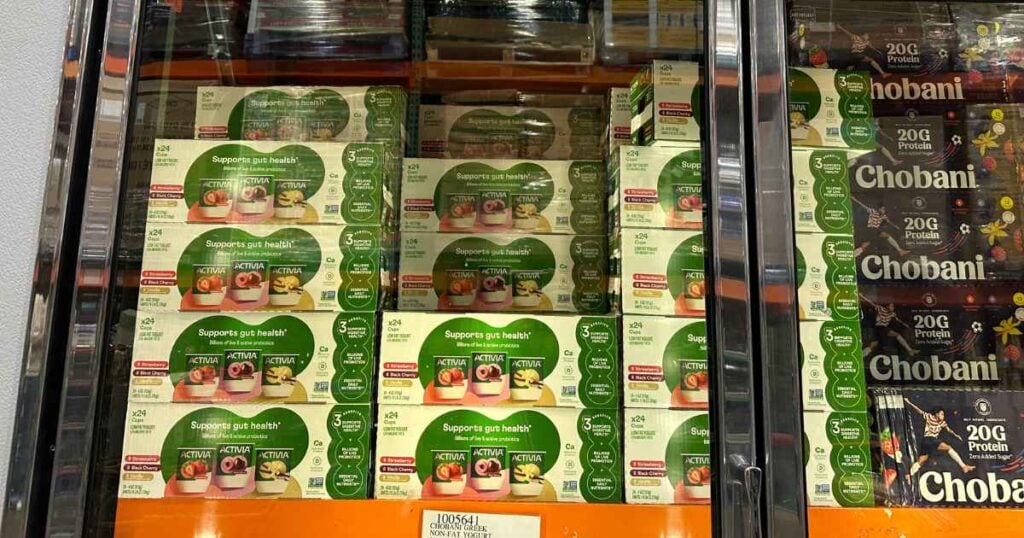
Costco multipacks can look like a great value, but only if your family will actually use everything that comes in the package.
Maybe it’s a snack variety pack where everyone eats two of the flavors and ignores the rest. Or a clothing set where you really only like one of the colors.
For my family, it’s always the yogurt flavors that get us. I’ve learned my lesson not to buy a case of yogurt when I already know nobody is going to eat the vanilla flavor. It just ends up sitting in the refrigerator until I eventually throw it away.
That’s why I try to think about how much of the package we’ll realistically use, not just how low the price looks when you divide it by the total number of items.
If part of the multipack is going to sit untouched or end up in the trash, the deal may not be nearly as good as it first appears.
Trying New Foods in Costco-Sized Packages
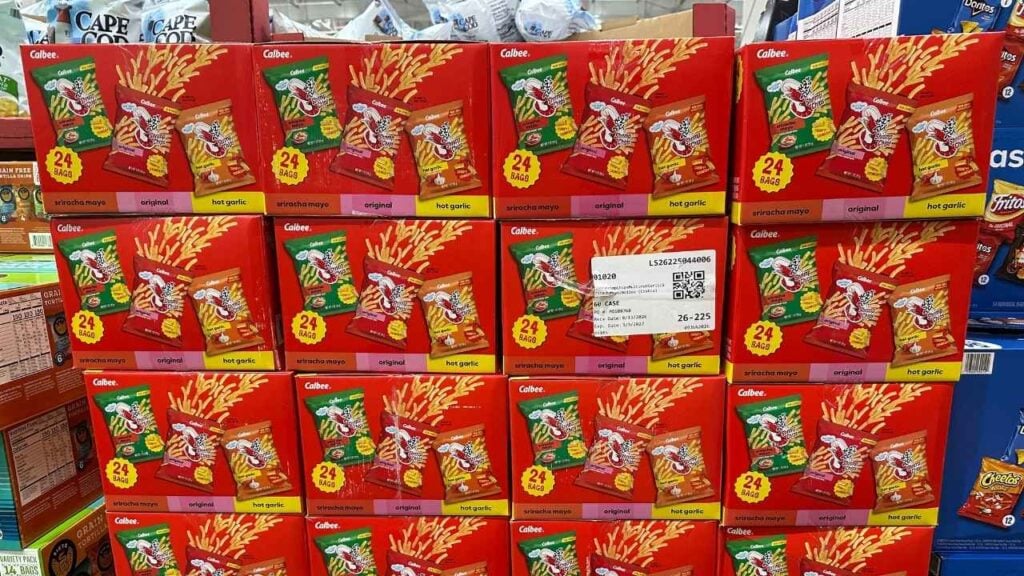
Trying something new at a regular grocery store might mean risking $4 or $5.
At Costco, your experiment could cost $15—and leave you with an enormous package nobody wants to eat.
This is especially risky with snacks, frozen foods and specialty products.
I’ve learned that Costco-sized packages make the most sense for foods my family already knows and likes.
Trying new things can still be fun, but I try to be more selective when the package contains 30 servings.
Letting Samples Make Your Shopping Decisions
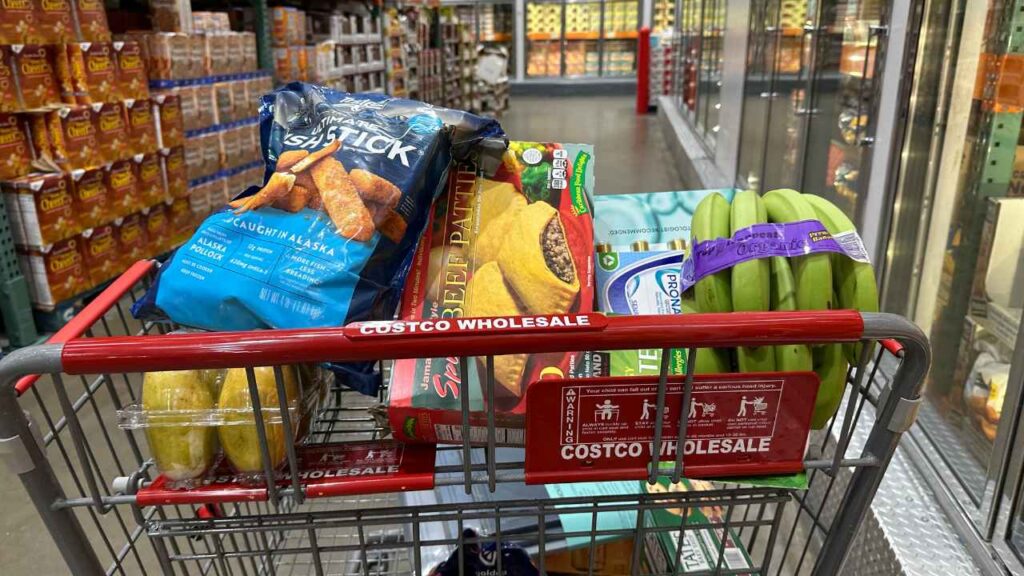
Costco samples are surprisingly effective.
You try a bite of something and suddenly you find yourself putting a full-sized package in your cart.
Before buying something you sampled, ask yourself whether you would have put it in your cart if the sample station hadn’t been there.
That can help separate a useful discovery from an impulse purchase.
Treating Costco Like a Weekend Activity
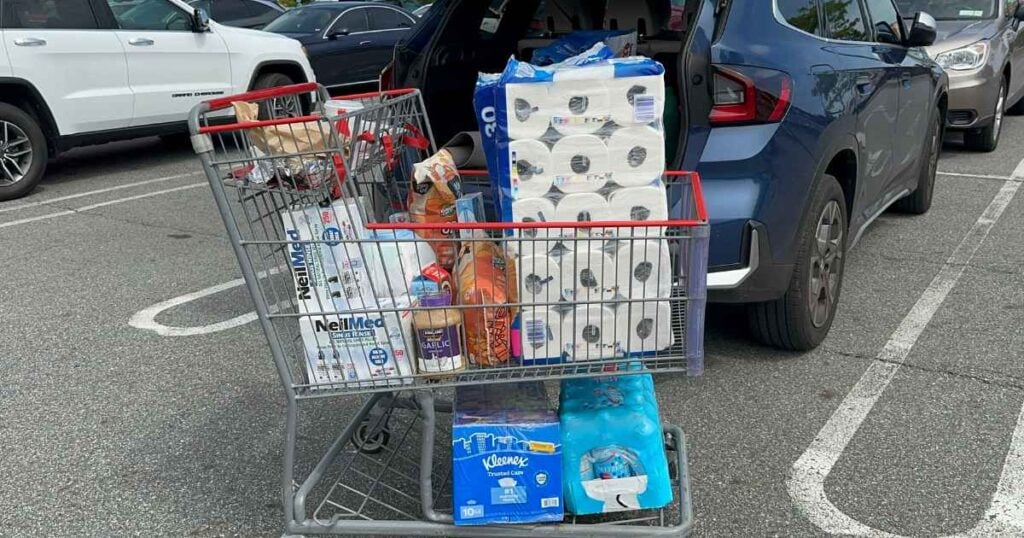
Browsing Costco can be fun.
You walk through the seasonal aisles, look at furniture, check out the clothes, try samples and see what’s new.
Unfortunately, the longer you browse, the more opportunities you have to find something you weren’t planning to buy.
If you’re trying to cut back on Costco spending, you need to treat your Costco run like an errand rather than entertainment.
Get what you need and head for the checkout.
My quickest Costco trips are usually my cheapest ones.
Buying Things Because You Can Always Return Them
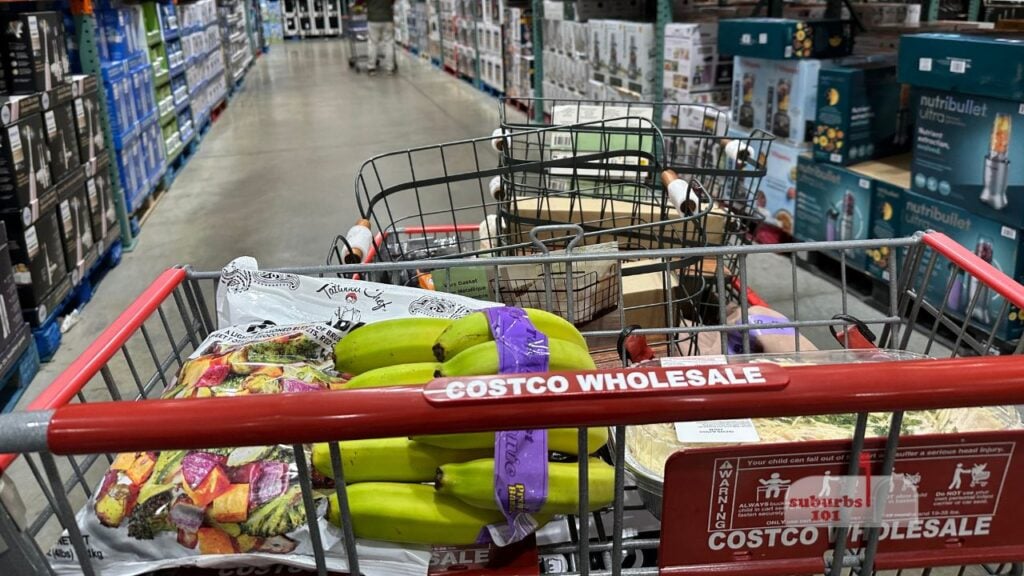
Costco’s return policy can make purchases feel less risky.
You might tell yourself you’ll just return something if it doesn’t work out.
But small purchases often don’t make it back to the store.
A $20 kitchen gadget might sit unused in a cabinet because making a special trip to return it doesn’t feel worth the effort.
Instead of relying on the return policy, take another minute before buying the item.
Ask yourself whether you truly need it, where you’ll put it and how often you’ll actually use it.
Walking Down Every Aisle
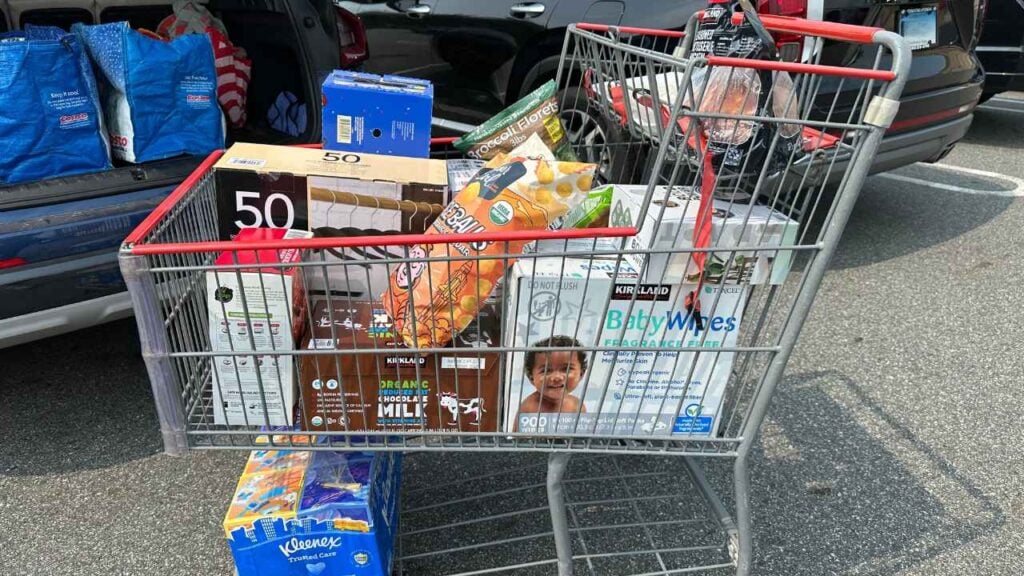
You don’t have to see everything Costco is selling on every trip.
If you’re shopping for food, you probably don’t need to browse electronics, furniture, jewelry and seasonal merchandise.
Every aisle you walk down gives you another chance to find something you suddenly think you need.
Try mapping out your Costco trip based on what’s on your list.
The fewer unnecessary aisles you visit, the fewer impulse purchases you’re likely to make.
Focusing on How Much You Saved Instead of How Much You Spent
This may be one of the biggest Costco spending traps.
You saved $5 on detergent.
You saved $8 on vitamins.
You found a sweater marked down by $10.
By the time you reach the register, you may feel like you’ve saved a fortune.
But then you look at your receipt and realize you spent $350.
Savings only matter when you’re buying something you actually need.
Instead of focusing solely on how much you’re supposedly saving, pay attention to the total amount leaving your bank account.
That’s the number that matters most.
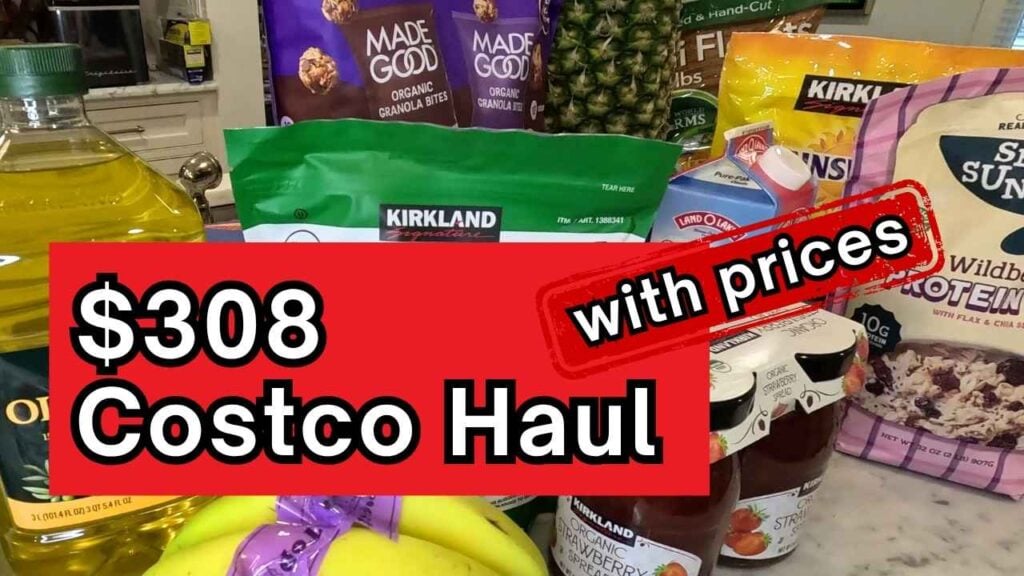
My $308 Costco Haul: Clearance Deals, Easy Meals and Grocery Prices
I went to Costco to buy a few things to bring my daughter for college…
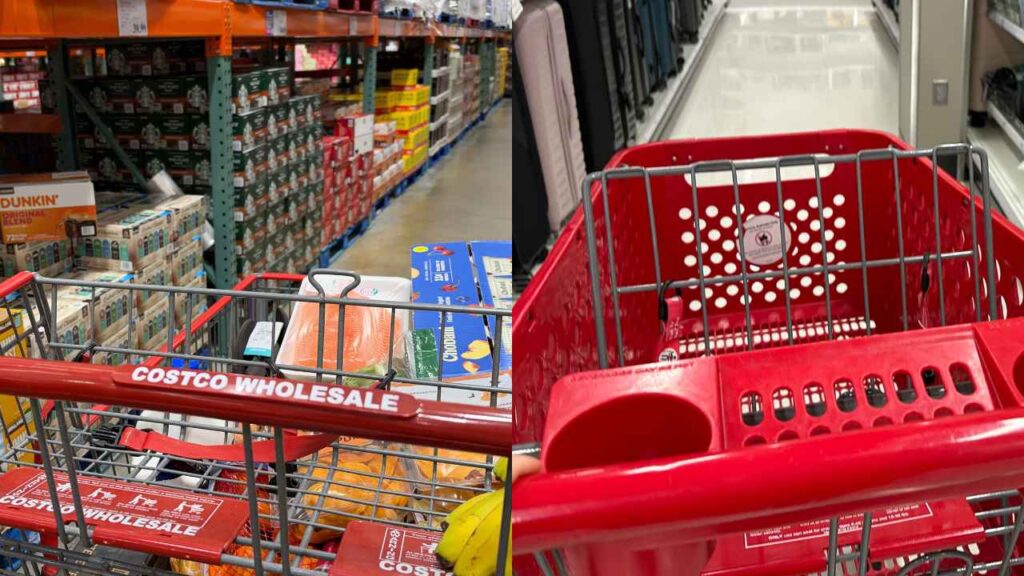
I Compared Costco vs. Target Prices- These Foods Were Cheaper at Costco
Is Costco really cheaper than Target? I decided to find out. I price checked a…
24 Costco Breakfast Foods That Make Busy Mornings Easier (with Prices)
I don’t know about you, but mornings in my house always feel like a mad…
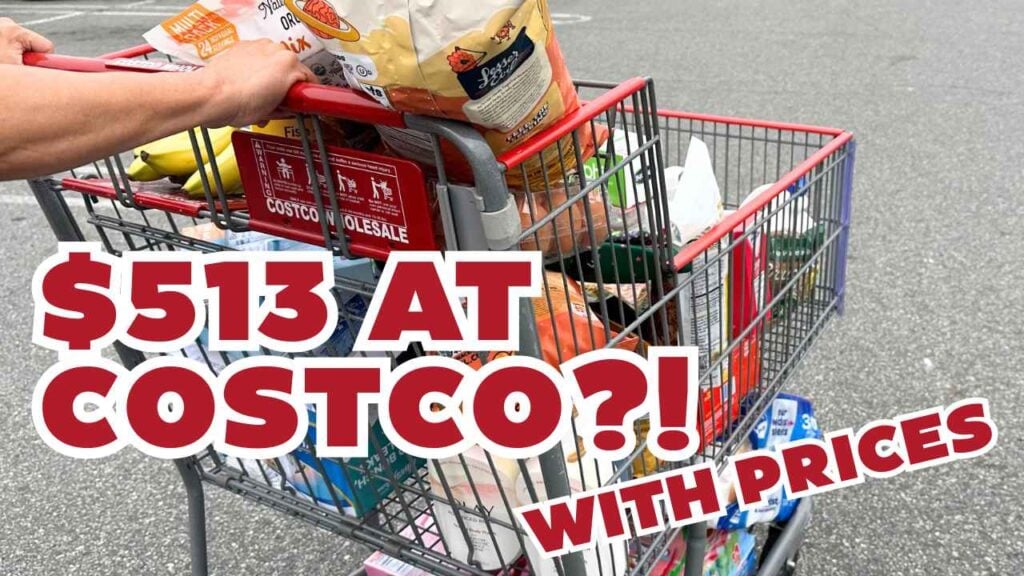
My $513 Costco Haul- Here’s Everything I Bought and What It Cost
I went to Costco and somehow walked out with a $513.91 receipt. Before you judge…
20 Costco Fall Comfort Foods Worth Buying
Fall is in full swing at Costco, and Costco has a lot of Fall foods….
30 New and Returning Costco Foods to Try this Fall
Costco is busy stocking new foods and bringing back seasonal favorites for fall. I found…