
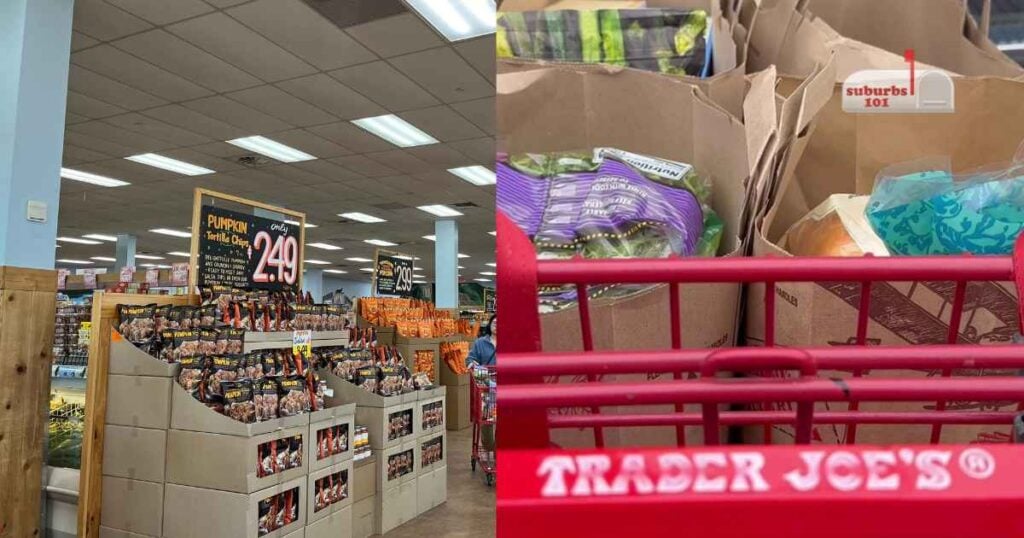
I love shopping at Trader Joe’s, but I’m guilty of making some of these mistakes myself.
I walk in for groceries and end up buying snacks, desserts, an interesting sauce, and a frozen appetizer that looks too good to pass up. Then I get home, unpack everything, and realize I still haven’t figured out dinner.
It’s easy to get distracted when there’s always something new to try. Add in the temptation to stock up on a seasonal favorite before it disappears, and my cart can fill up pretty quickly.
Over time, I’ve learned that a little planning makes a big difference. Here are 12 mistakes to watch out for on your next Trader Joe’s trip, including a few I know all too well.
1. Not Checking Whether You Have Freezer Space
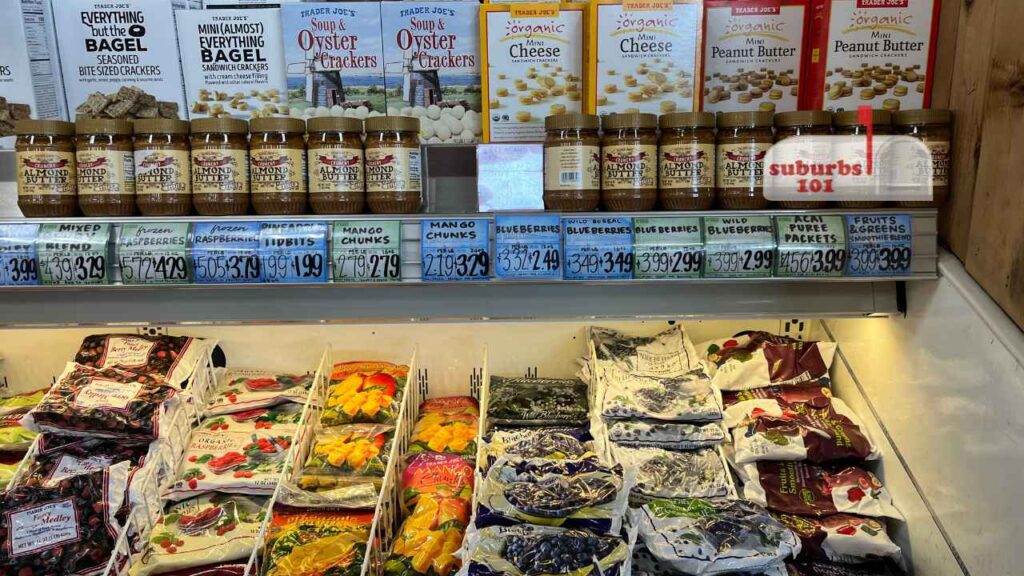
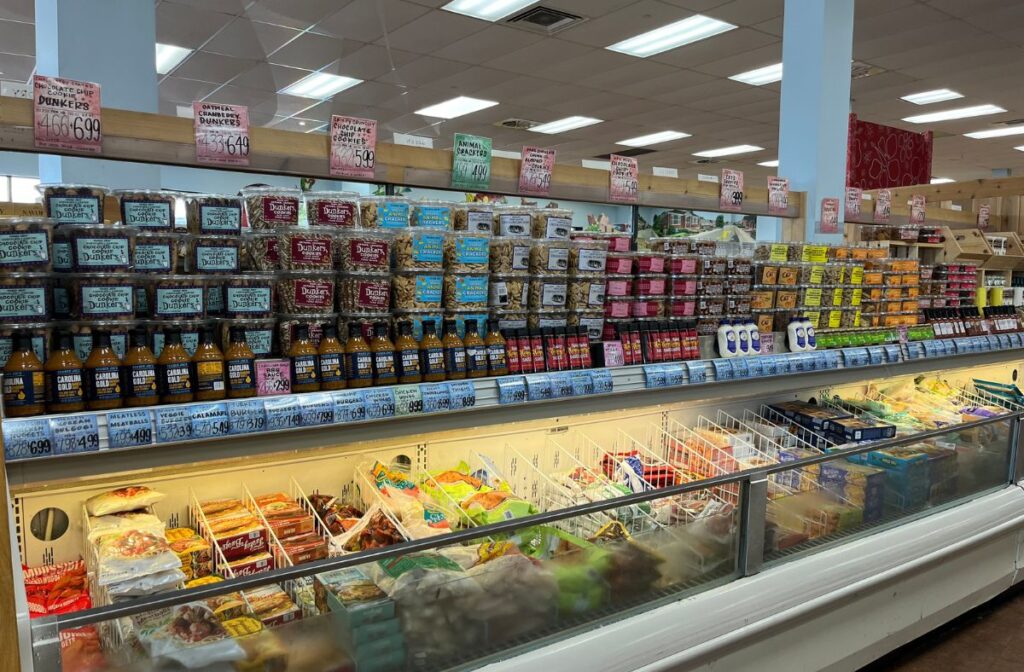
Most of what I buy at Trader Joe’s comes from the frozen food section, so checking my freezer before I leave is a must.
I even have two refrigerators, and I still run into this problem. Sometimes, if I don’t plan ahead, both freezers are full. Then putting away my Trader Joe’s haul turns into a game of Tetris as I try to fit everything in.
It’s easy to get carried away with frozen meals, appetizers, and desserts. But getting home with bags of frozen food and nowhere to put them is a problem you don’t want to deal with while everything starts thawing.
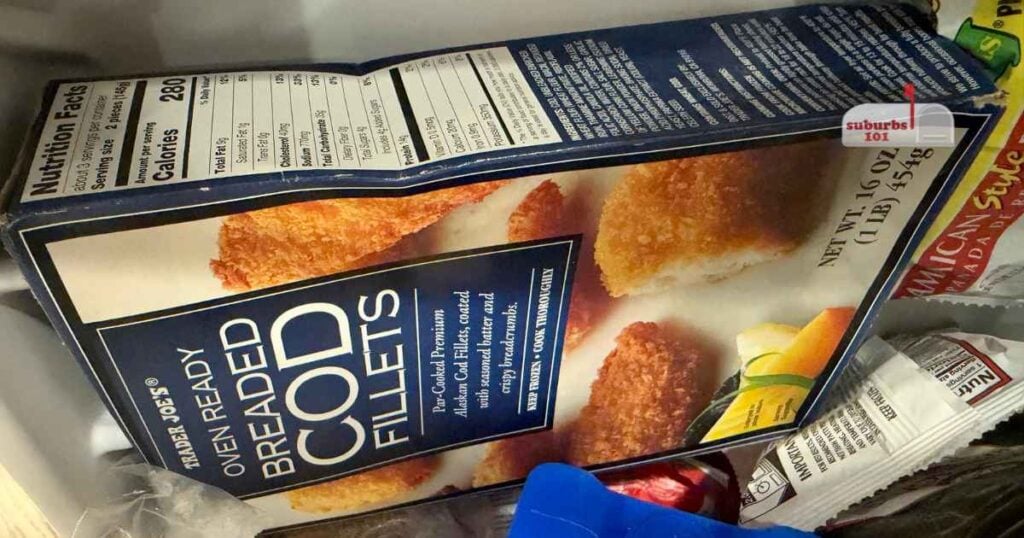
Take a quick look at how much space you actually have before shopping. If your freezer is already packed, use up a few things first or keep your frozen purchases to a minimum.
Those easy dinners won’t make life easier if you’re struggling to squeeze them into the freezer when you get home.
2. Stockpiling Seasonal Items Because You’re Afraid They’ll Sell Out
Knowing a product might not be there on your next Trader Joe’s trip can make it tempting to buy more than you need. Suddenly, you’re stocking up for months instead of shopping for what you’ll actually use.
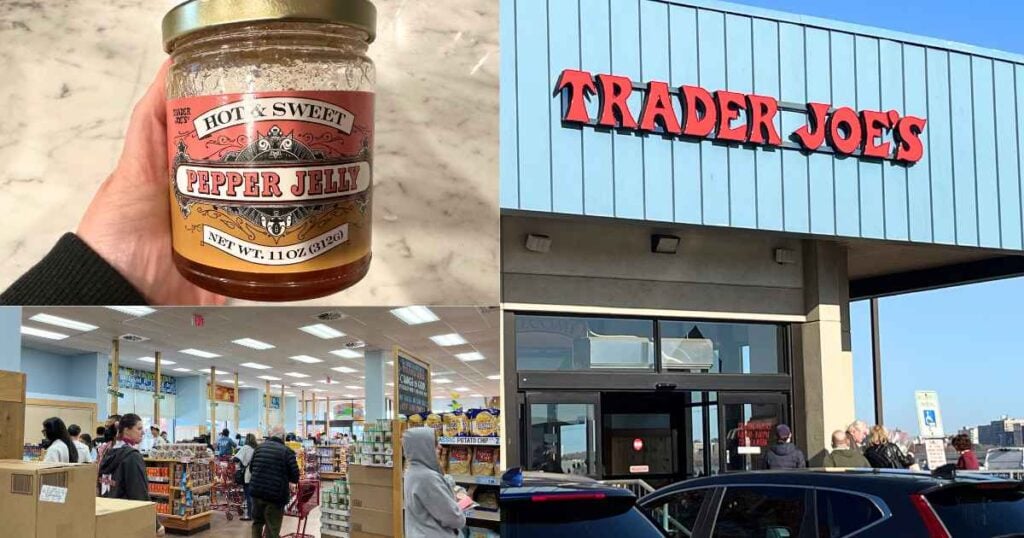
I’ve done this with Trader Joe’s pepper jelly. I stocked up because it was only available around the holidays, and I was afraid I wouldn’t be able to get it again.
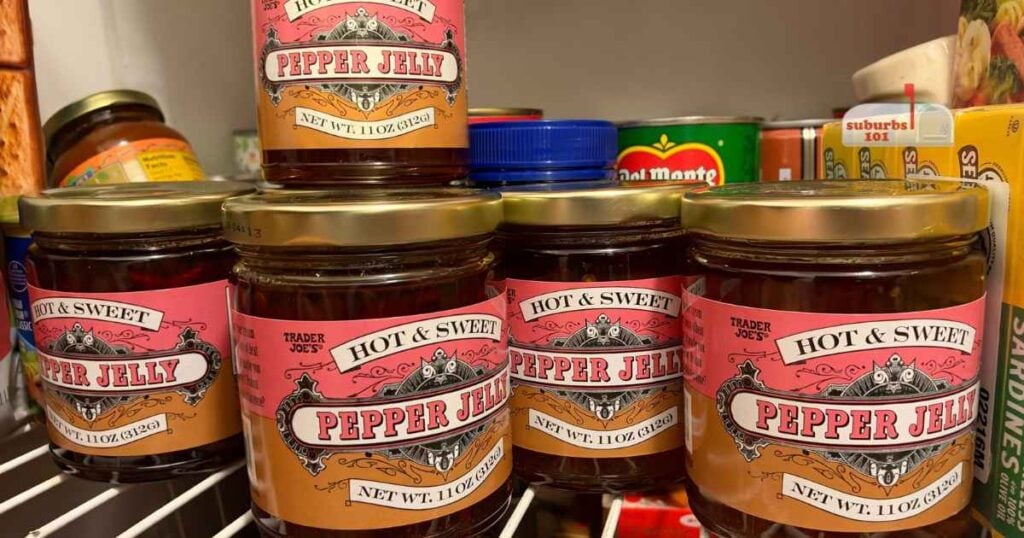
Now I still have many bottles of Trader Joe’s Pepper Jelly in my pantry.
Before buying several jars or boxes, think about how often you actually eat that item. Even something you love can take much longer to finish than you expect.
Buying a little extra of a favorite can make sense. But the possibility of it disappearing shouldn’t be the only reason you fill your cart.
3. Waiting Too Long to Buy a Seasonal Favorite
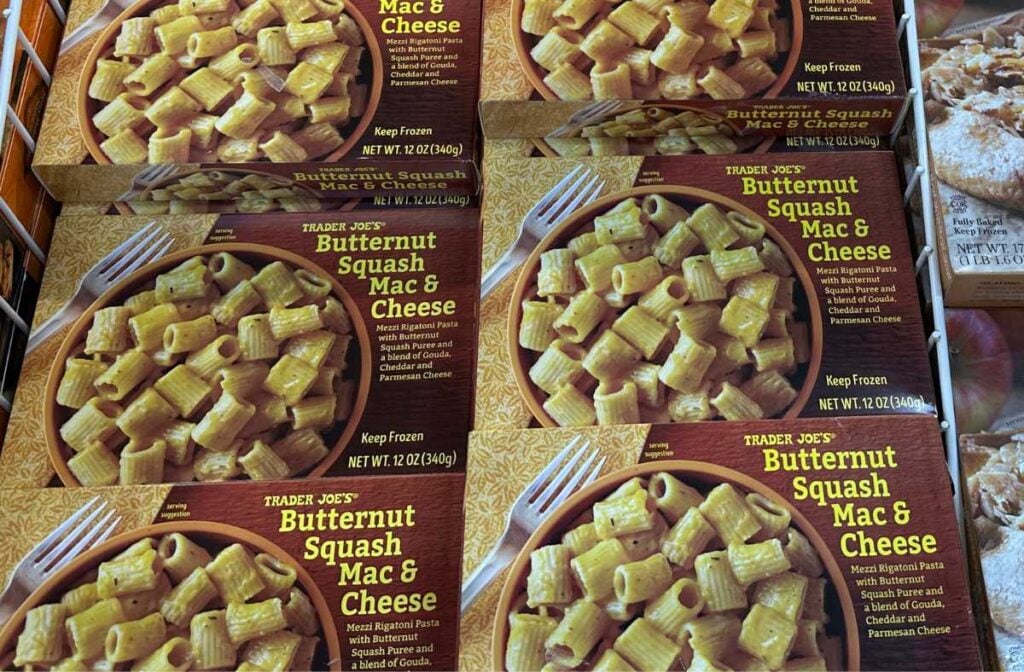
The opposite can happen, too. You hold off on buying a seasonal favorite, thinking you’ll pick it up next time, only to return and find it’s gone.
If a seasonal favorite is something your household reliably finishes, putting off the purchase can mean missing it. Trader Joe’s sells seasonal and limited-time products, so you shouldn’t assume they will stay available until your next visit.
Check the package dates, consider your storage space, and buy a reasonable amount you’ll actually use.
4. Shopping by Gut Feel Instead of Bringing a List
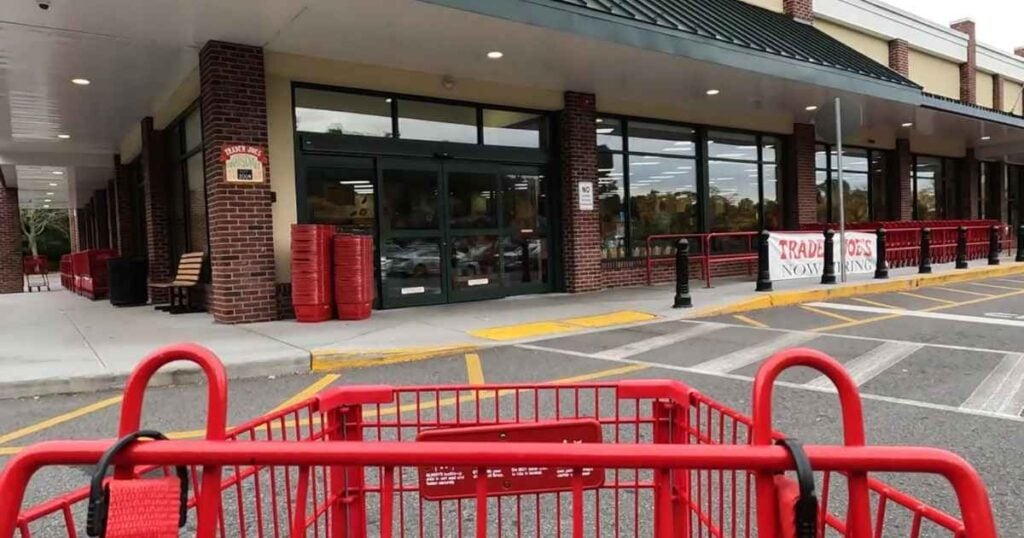
Trader Joe’s is an easy place to overbuy when you walk in without a shopping list. There’s always something new to try, and an item you hadn’t even heard of can suddenly feel like a must-have.
Then there’s the fear that a favorite might be discontinued. You pick up an extra package just in case, add a few new finds, and before you know it, your cart is much fuller than you planned.
I find that bringing a shopping list helps keep me in check. Writing down what I need, including quantities, makes it easier to keep from overbuying.
I still leave room to try something new, but having a list keeps those impulse purchases from taking over the trip.
5. Filling the Cart With Snacks and Forgetting Meals
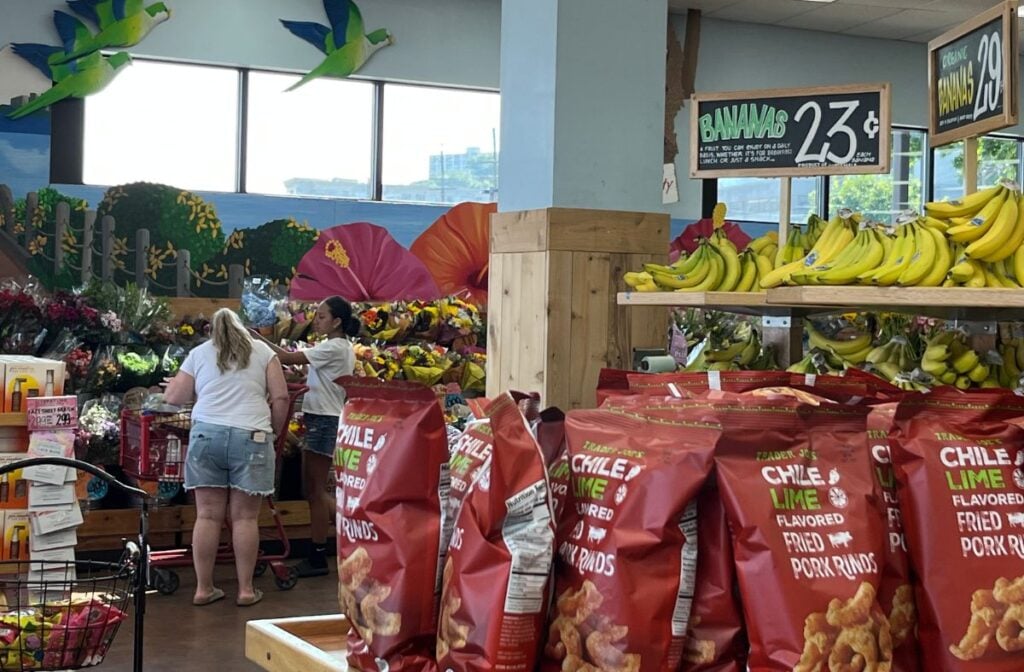
This has always been a problem for me when shopping at Trader Joe’s. I end up buying a bunch of random chips because they look good, then get home and realize I have plenty of snacks but no idea what I’m making for dinner.
A freezer full of appetizers and a pantry full of snacks won’t get me very far on a busy weeknight.
What helps me is going in with a few meals in mind. I’ll plan to pick up something for dinner that evening, along with prepared meals or marinated meats to use later in the week.
That gives my shopping list some structure instead of letting whatever snack catches my eye decide what goes in the cart.
Before checking out, take one more look at your groceries and ask: What meals can I actually make with this?
6. Going Into Trader Joe’s Hungry
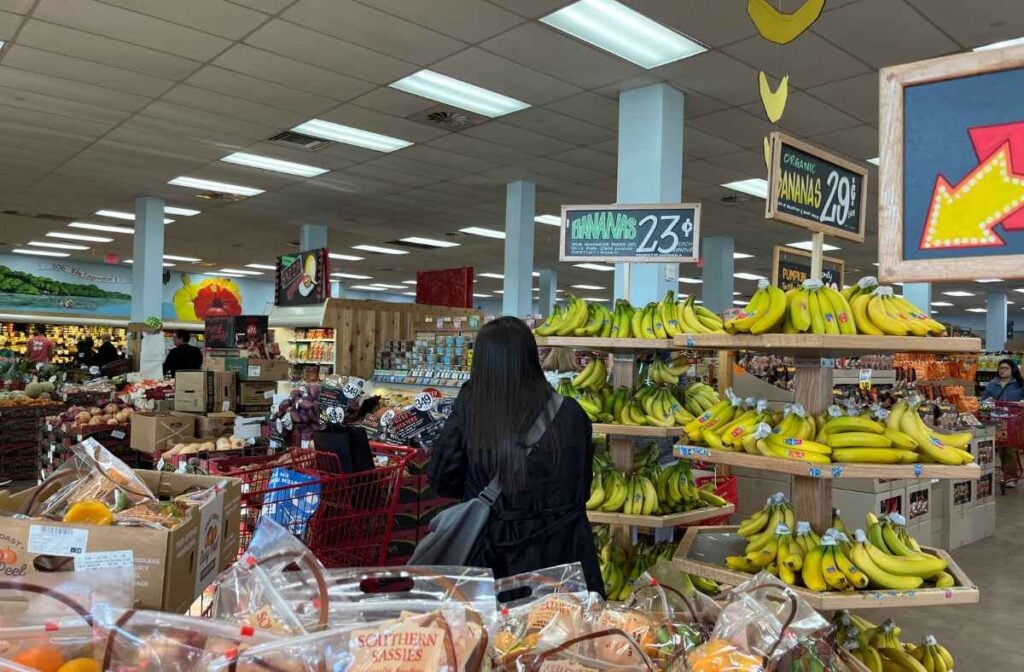
I’m guilty of this. When I walk into Trader Joe’s hungry, the frozen foods and snacks are even harder to resist. Every bag of chips, frozen appetizer, and dessert suddenly looks like something I need to bring home.
Instead of thinking about what I need for the week, I’m thinking about what I want to eat right now. That’s when the extras start piling up in my cart, even if I already have plenty of snacks at home.
Eating a meal or having a quick snack before shopping helps. I can still enjoy browsing and picking out something new without letting my empty stomach decide what to buy.
7. Assuming One Frozen Package Will Feed Everyone
With hungry teenagers in my family of four, I often need two packages of a frozen meal to make enough for dinner. One bag can look like plenty in the store, but it doesn’t always go very far once everyone starts eating.
Trader Joe’s orange chicken is a good example. I need two packages for my family because one just isn’t enough.
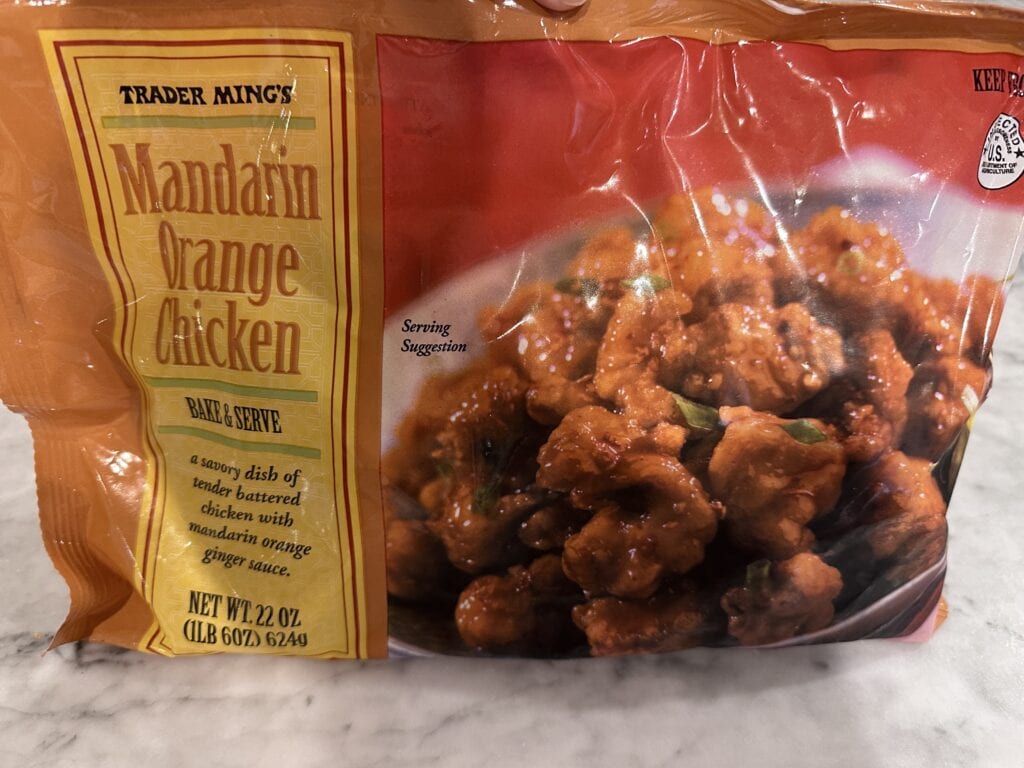
Once I know we need two packages per meal, I buy in multiples of two. That way, I have enough for each dinner instead of ending up with one leftover package that won’t feed everyone.
Before putting a frozen meal in your cart, check the package size and think about your family’s appetites. It also helps to plan what you’ll serve alongside it, whether that’s rice, vegetables, or a salad.
I’d rather know I need that second package while I’m still at the store than discover at dinnertime that there isn’t enough to go around.
8. Choosing Your Shopping Time Without Considering the Rush
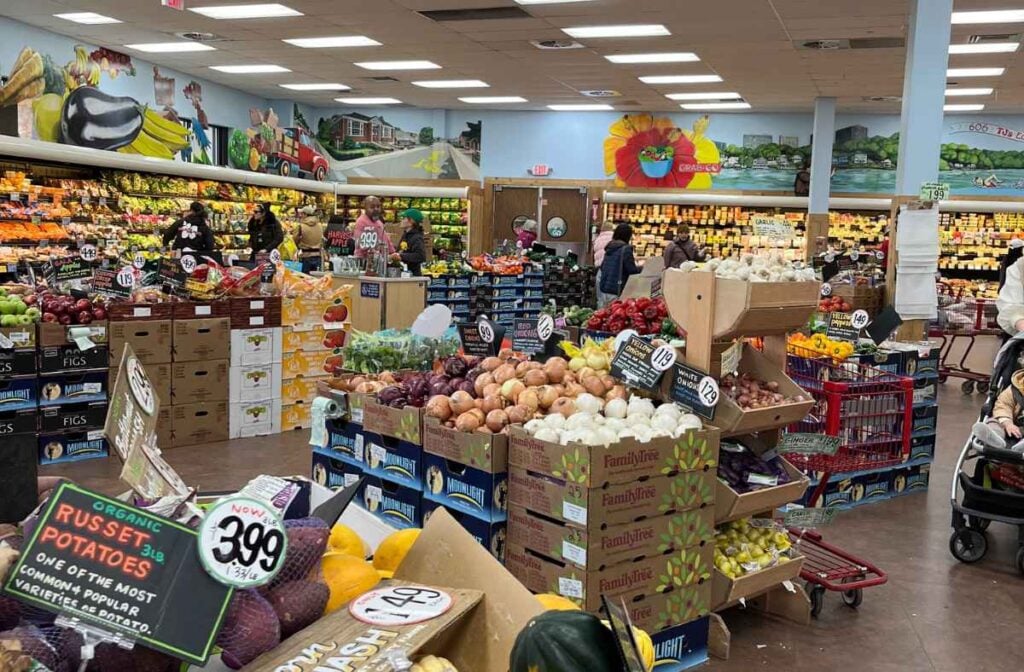
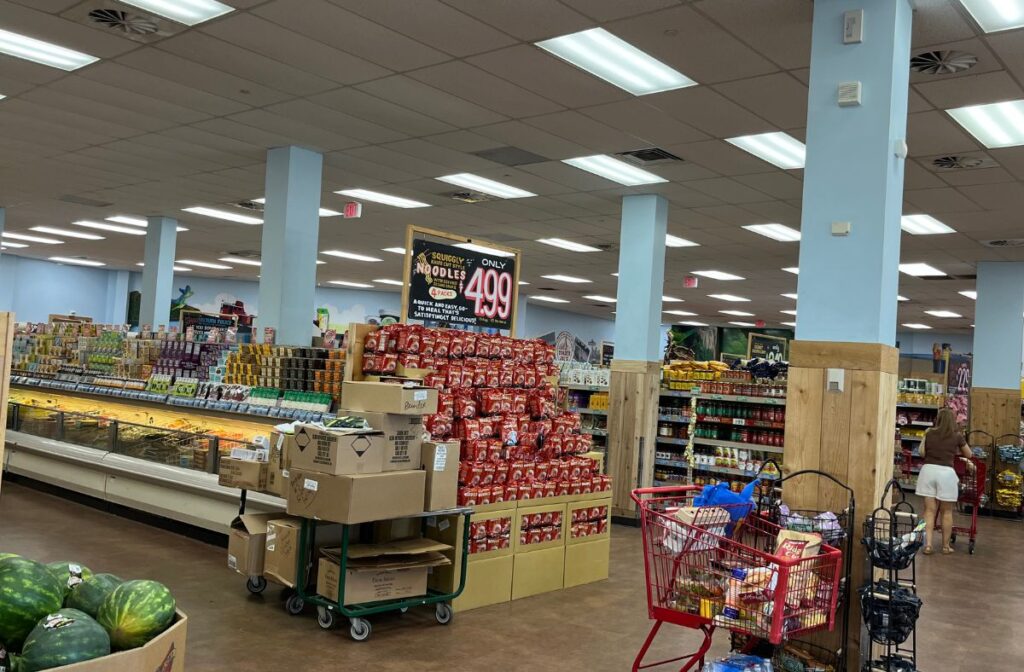
I try to avoid my Trader Joe’s on weekends. The aisles are crowded, the checkout lines are longer, and the parking lot is busy. Trying to find a parking space can make the trip feel stressful before I even get inside.
Whenever I can, I plan my shopping trips for weekdays. It’s much more enjoyable when I have room to browse without feeling rushed or having to squeeze past other carts.
There isn’t one perfect shopping time for every Trader Joe’s. The quieter hours at your neighborhood store may be different from those at another location.
If your schedule is flexible, ask a Crew Member when the store tends to be less busy. Try a different time and see whether it makes the trip easier.
Going at a quieter time can make the whole experience more enjoyable and less stressful, from parking your car to browsing the aisles.
Give yourself a little extra time when you want to explore new products.
9. Buying an Interesting Ingredient Without a Plan
A new condiment or seasoning can sound delicious in the store and sit unopened in your kitchen for months.
I bought a jar of Masala Simmer sauce at Trader Joe’s with every intention of making chicken tikka masala. But I never got around to making it, and that jar has been sitting in my pantry for years. Now it’s expired.
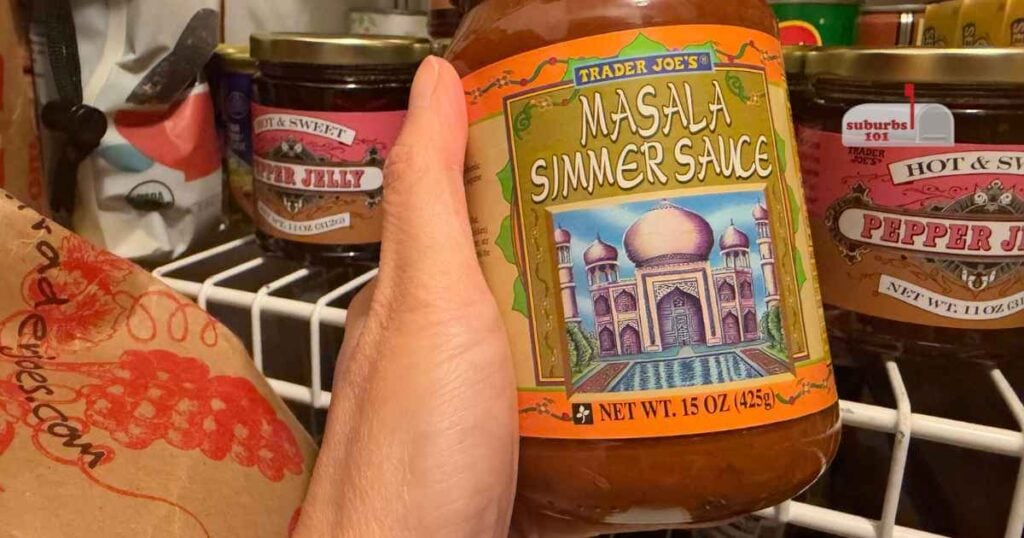
Having an idea for a meal doesn’t help much if you never put it on your dinner schedule.
Before buying it, think of at least one realistic way you’ll use it. Will it go on chicken you already have? Could you add it to a sandwich, rice bowl, or vegetables?
If using it requires another shopping trip and a complicated recipe, consider whether you’ll actually follow through.
10. Assuming an Empty Shelf Means a Product Is Gone Forever
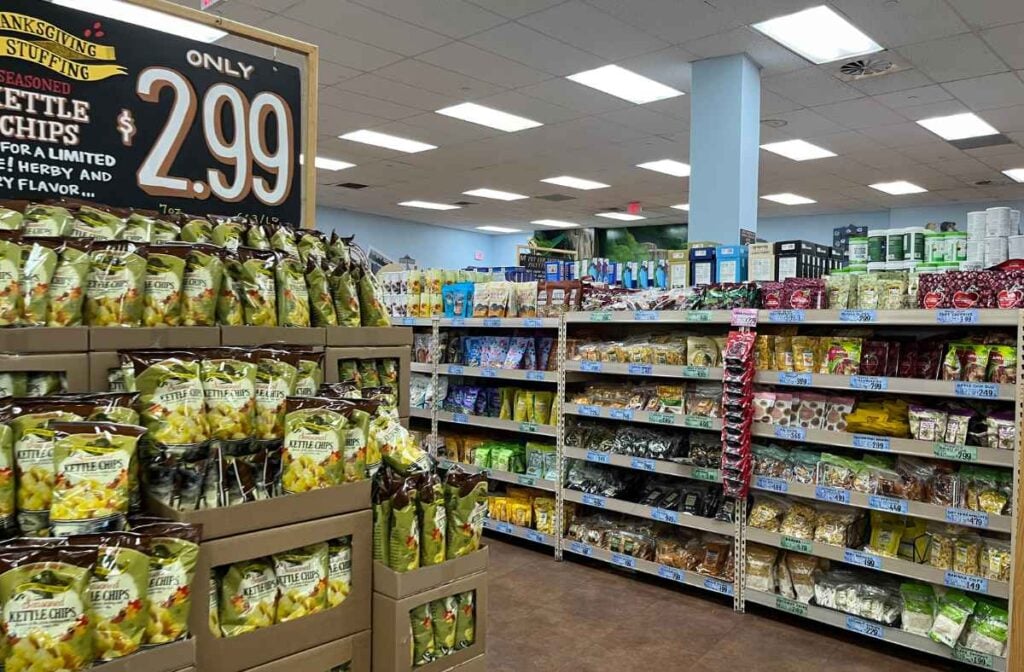
Not finding something in its usual spot doesn’t tell you why it’s missing.
Before giving up on a favorite, ask a Crew Member whether it’s temporarily unavailable, seasonal, or discontinued. They may be able to clarify its status or suggest an alternative.
Trader Joe’s has explained that slow sales are a major reason it discontinues products. But a missing item isn’t automatically a discontinued one.
If you’re making a special trip for one product, call your local store first. That quick check could save you a wasted drive.
11. Buying More Fresh Food Than You Can Use
Bagged salads, fresh dips, cut vegetables, and refrigerated meals can make the week easier. Buying too many at once can leave you racing to finish everything.
Bakery items are another temptation, and I’m guilty of buying more than we can finish in time. I usually end up freezing the extras, but once bread goes into my freezer, I sometimes forget it’s there.
The pumpkin brioche I bought last year is still in there a year later.
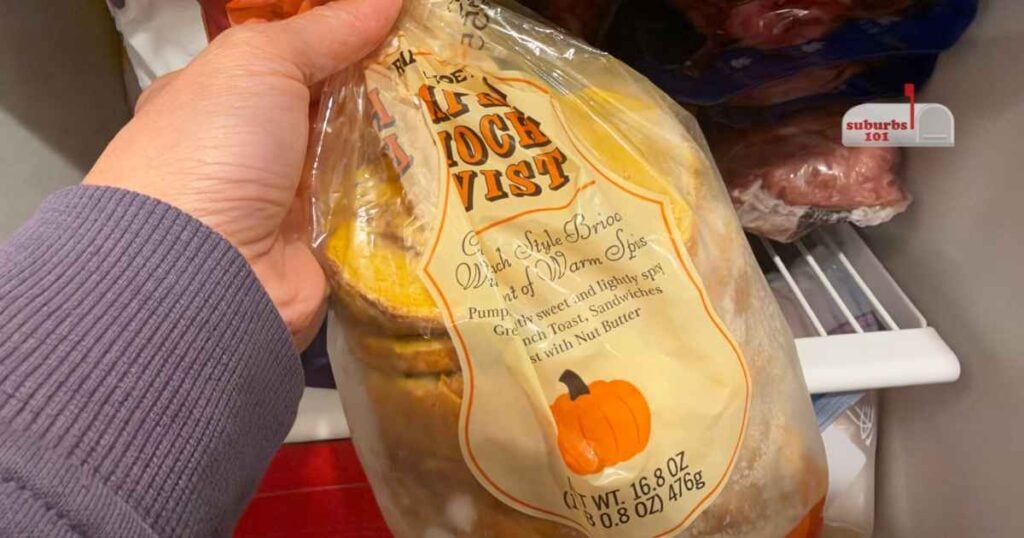
Freezing can help when you have extra bread, but it’s worth being realistic about how much you’ll actually eat. Otherwise, you’re just moving the food from your counter to the freezer and forgetting about it.
Check the dates and think about your actual schedule. If you have dinner plans, leftovers to use, or a few nights when nobody will be home, adjust the amount you buy.
Assign the most perishable purchases to the first meals after your shopping trip. Save pantry staples and frozen foods for later.
A cart full of fresh food is only useful if it gets eaten.
12. Looking Only at the Package Price
A lower price on the shelf doesn’t always mean you’re getting more for your money.
Check the package size when comparing items such as cheese, coffee, crackers, and frozen foods. A smaller package can cost less overall while costing more per ounce.
For example, a hypothetical $3 package containing six ounces costs 50 cents per ounce. A $4 package containing ten ounces costs 40 cents per ounce.
The larger package offers a lower unit price, but the smaller one may still make more sense if it’s all you’ll finish. Consider both the price and how much your household needs.
12 Worst Things About Shopping at Trader Joe’s
I love shopping at Trader Joe’s, but even my favorite grocery runs come with a…
16 Things to Know Before Shopping at Trader Joe’s
For those of you who have never shopped at Trader Joe’s, you should know that…
Trader Joe’s Frozen Berry Recall: Check Your Freezer
If you shop at Trader Joe’s and keep frozen fruit on hand for smoothies, yogurt…
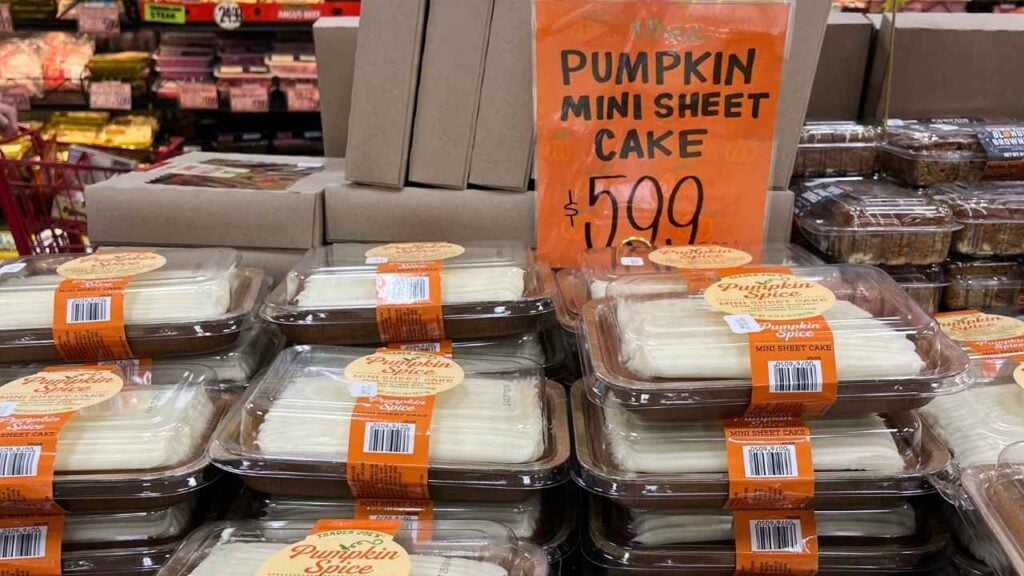
Trader Joe’s Fall Favorites are Back
It may still feel like summer outside, but fall has already arrived at Trader Joe’s….
New Trader Joe’s Stores Opening in 2026: State by State List
Trader Joe’s is continuing its nationwide expansion, with new grocery stores opening across the United…