
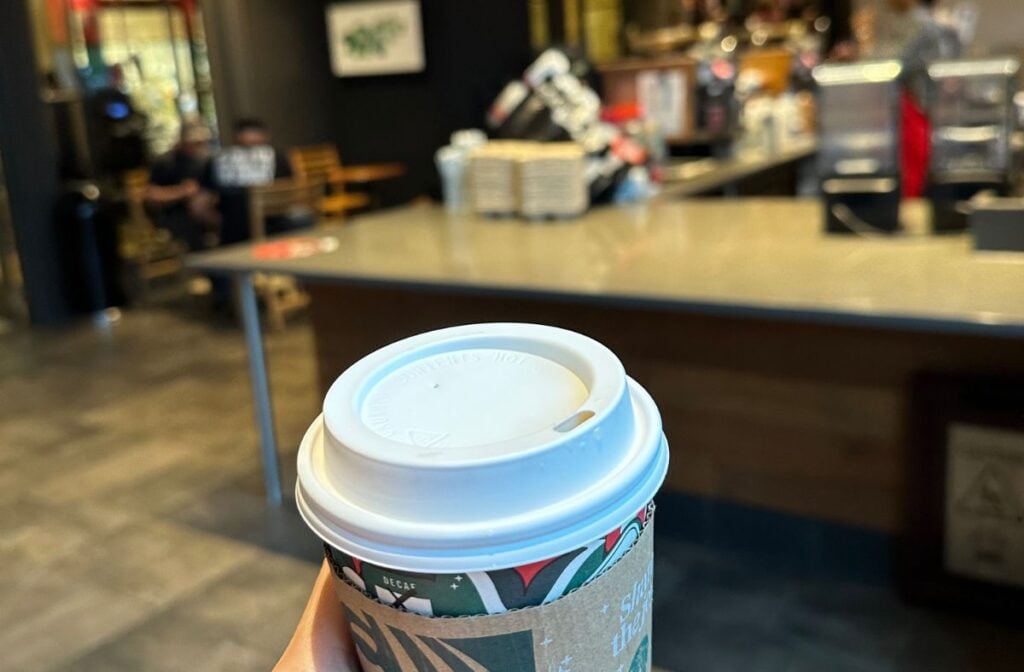
Americans are starting to hit their breaking point. Prices keep climbing, and many of the things we used to buy without thinking now feel like luxuries. From delivery apps to hotel stays, even a night out at the movies, the latest iPhone, or kids’ birthday parties, people are rethinking where their money goes.
Uber Eats & DoorDash
Food delivery apps promised convenience, but that convenience comes at a high cost. Marked-up menu items, service fees, delivery charges, and tips can turn a fourteen-dollar meal into a thirty-dollar order.
As these costs climb to the level of a small grocery trip, more people are picking up food themselves or cooking at home instead. The appeal of convenience is fading when the total cost is double what it would be in person.
Many families are rediscovering the value of meal planning, prepping lunches for work and school, and reserving delivery apps for emergencies or special occasions.
Chipotle Bowls

Americans are cutting back on fast-casual restaurants like Chipotle. Burritos and bowls have seen steady price increases, with extra charges for guacamole, chimichurri, premium proteins, and drinks.
The problem is that while the prices may have stayed relatively the same for some menu items, the amount of meat you actually get has noticeably shrunk. Many customers find themselves left hungry, often ending up with mostly rice and beans and very little protein.
As a result, recreating these meals at home has become a more satisfying and cost-effective option. Copycat recipes online make it easy to recreate the flavors at a fraction of the cost. Ingredients like rice, beans, salsa, and chicken can be bought in bulk, making a homemade bowl cheaper and more filling. The convenience is still appealing, but the math—and the portions—are forcing people to rethink what’s “worth it.”
Hotel Stays

Hotel stays have become a luxury. Rising nightly rates, resort fees, and add-ons like parking mean a simple weekend getaway can rival a month of rent. Prices have gone way up that $300 hotel room rate is the norm!
Many travelers are choosing budget motels, off-peak dates, vacation rentals, or even staying with friends and family. Weekend trips that used to be simple are now being carefully budgeted and sometimes postponed altogether.
People are realizing that a local staycation or day trip can deliver the same memories for a fraction of the cost.
Tipping
Tipping has turned into “tipflation,” where customers are being asked to add 20 to 25 percent in coffee shops, fast-casual restaurants, self-service kiosks, and takeout orders. Constant tipping prompts are creating frustration, even as people want to support workers who rely on tips.
Many are choosing smaller tip amounts, tipping selectively, or skipping tipping at self-service counters altogether. The practice of tipping has become a point of tension, forcing consumers to balance fairness with affordability.
Starbucks Coffee

Even coffee has become a wallet-buster. Starbucks and other specialty drinks used to feel like a small indulgence, but flavored lattes, cold brews, and seasonal drinks can easily run six to eight dollars each.
Multiply that by a few visits per week, and suddenly your coffee habit looks more like a car payment than a treat. Many are switching to brewing coffee at home with beans and basic equipment, reserving the occasional Starbucks visit for splurges.
Some people are also experimenting with cold brew or specialty drinks at home, which can cost a fraction of the price. The “morning latte ritual” is being replaced with intentional spending decisions.
Kids’ Birthday Party Packages

Even kids’ birthday parties have become a luxury expense. Party packages at popular venues — including decorations, entertainment, food, and sometimes favors — can easily run several hundred dollars to over a thousand dollars for just a few hours of celebration.
Many families are scaling back by hosting parties at home, sharing celebrations with friends, or skipping pricey extras entirely. Parents are getting creative with DIY decorations, homemade cakes, and backyard activities to save money. What used to be a simple fun event now requires careful budgeting.
Going to the Movies

Americans are also cutting back on going to the movies. Tickets can easily hit fifteen to twenty dollars per adult, and a family of four can spend eighty to a hundred twenty dollars with snacks and drinks.
Many are now choosing streaming services, home rentals, or limiting trips to big blockbuster releases. Some families are skipping concessions entirely or sharing snacks to save money. The cost of a theater experience is forcing people to ask whether it’s worth going to the movies or they are better off waiting for the movie to come out in their streaming service.
Upgrading to a New iPhone

Americans are no longer upgrading to the new iPhone. The latest models routinely start at eight or nine hundred dollars, and can easily exceed a thousand with storage upgrades. Add accessories, cases, and AppleCare, and a “simple” upgrade turns into a serious expense.
Many are holding onto older phones longer, repairing devices instead of replacing them, or delaying upgrades to avoid breaking the bank. Even tech enthusiasts are reconsidering whether the newest features justify the cost.
Bottled Water

Bottled water, once a convenient option, is also being reconsidered. Rising prices, plastic waste concerns, and the fact that many brands are essentially filtered tap water have people investing in reusable bottles and home filters instead.
Many households are canceling their water delivery subscriptions entirely, realizing it’s easier and cheaper to have filtered tap water at home. Brita filters are making it easy to ditch the habit entirely. Environmental concerns are also playing a role, with families wanting to cut down on single-use plastics.
Cable TV
Cable TV is being cut entirely by households unwilling to pay for hundreds of channels they don’t watch. Streaming services, free ad-supported apps, and on-demand platforms are replacing the high monthly bills of cable.
Younger viewers and even older adults are increasingly watching free content on YouTube instead of paying for traditional cable packages. Some families are even getting free TV with antennas. The era of paying high monthly fees for channels nobody watches is coming to an end.
Premium Cuts of Steak
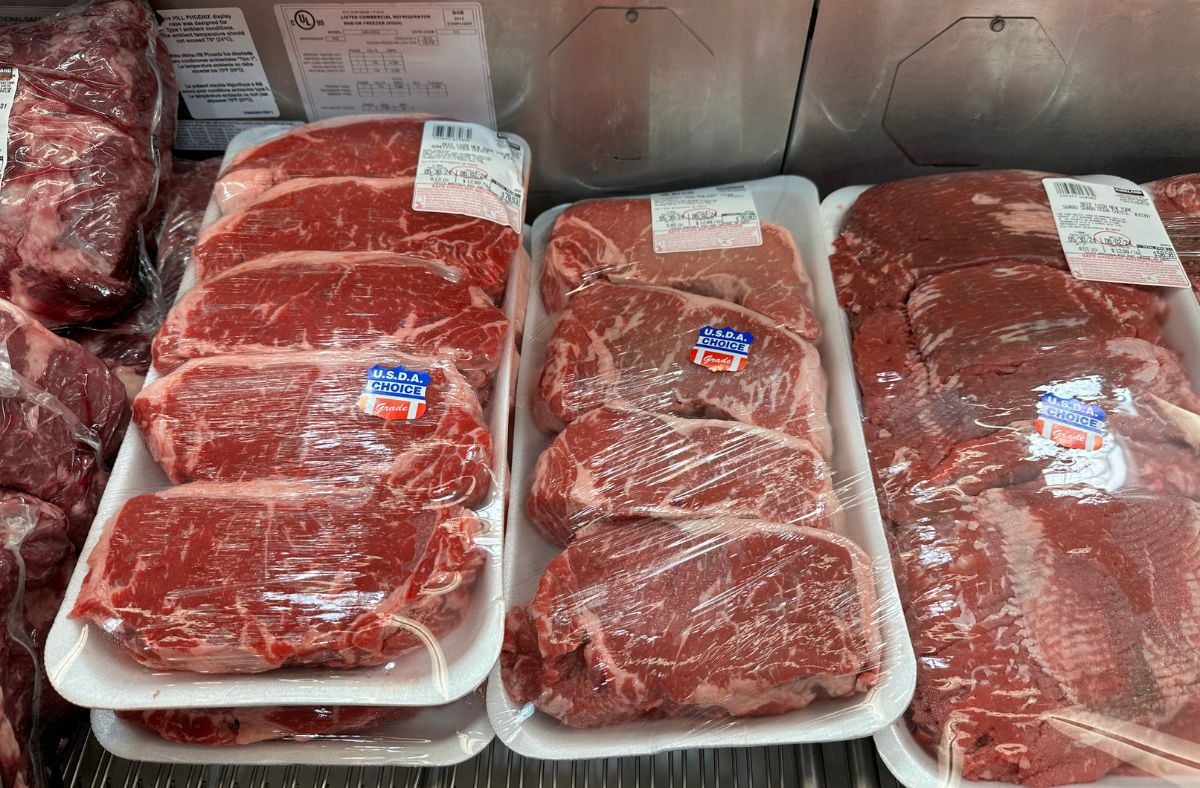
Premium cuts of steak like ribeye, filet mignon, and New York strip are now reserved for special occasions. With grocery prices up across the board, families are opting for cheaper cuts or swapping in chicken, pork, or plant-based meals for weekday dinners.
Many are also buying these more affordable cuts and using tenderizing techniques like marinating, slow-cooking, or pounding to make them just as good. Cooking techniques like slow roasting or marinating have made lower-cost cuts just as satisfying.
Even home cooks are finding creative ways to enjoy steak flavors without paying full price. Special occasions are now the main excuse for high-end cuts, making everyday steak dinners a rare treat.
Brand Name Medications

Brand-name medications are also drawing scrutiny. With inflation on the rise, people are realizing that generic alternatives often contain the same active ingredients at a fraction of the cost.
Switching to store-brand or generic medications is becoming a common way to save money without sacrificing quality. Some pharmacies even offer programs where multiple generic prescriptions can be bundled for extra savings. Consumers are now paying closer attention to labels and actively questioning whether the brand name adds any real value.
Eating Out

Eating out, once a casual Friday night treat, has become a serious financial decision. Menu prices are up, portions are smaller, and taxes, tips, and extra service fees quietly inflate the bill.
For a family of four, a simple dinner can easily cost seventy to eighty dollars, and that’s before adding an 18 to 20 percent tip. Families are realizing that what used to be a fun outing now competes with their grocery budget.
Parents are cooking at home more often, meal-prepping for the week, and saving restaurant visits for special occasions only. Even casual chains that once felt affordable are starting to feel like splurges.
Brand Name Grocery Items
Even everyday grocery items are no longer safe from scrutiny. Many shoppers are switching from brand name products to private-label or store-brand alternatives to save money.
Often, the taste and quality are virtually identical, making the premium cost of big-name brands feel unnecessary. Families are learning to compare ingredients and try cheaper versions of staples like cereal, pasta, sauces, and snacks. What once was automatic brand loyalty is now replaced with intentional, budget-conscious decisions.
Across the board, Americans are shifting from automatic spending to intentional choices. They’re asking whether each purchase is truly worth it, whether a cheaper alternative exists, or whether they can do it themselves.
What used to feel routine — eating out, delivery, coffee runs, tipping, movies, brand-name medications, bottled water, hotels, cable TV, premium steak, iPhones, kids’ birthday parties, and brand name groceries — is now being evaluated under a microscope. If prices keep climbing without adding value, consumers aren’t just going to grumble; they’re going to stop buying, and many already are.
Check out Trump Cuts Tariffs on Avocados, Beef, Coffee, Bananas, Over 100+ Items to Lower Grocery Prices

Get Your Free Weekly Meal Planner and Grocery List
Sign up once and you will get access to ALL exclusive content on this website. After unlocking the printable, just save the printable image and then print it. Use it as a checklist to plan your meals! I hope you like it!
