
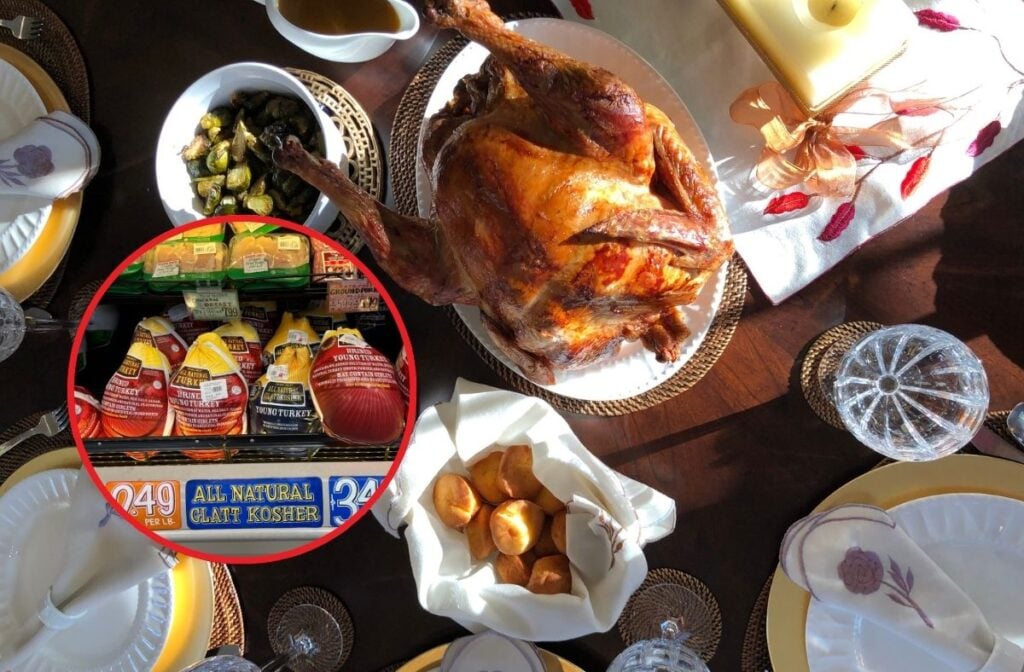
Thanksgiving is traditionally a time for big gatherings, feasts, and holiday shopping—but this year, many Americans are tightening their belts. With inflation pushing grocery prices, travel costs, and everyday expenses higher, families are making tough choices about what really makes it to the holiday table.
Free Turkey Rewards
Some families are getting creative to save on the centerpiece of the Thanksgiving meal: the turkey. Shoppers are starting early, collecting points, rewards, or coupons at their local grocery stores to earn a free turkey this holiday season.
It’s a smart way to cut costs without compromising the feast, and it’s becoming an increasingly popular strategy as inflation drives grocery prices higher.
Smaller Thanksgiving Meals

Many households are scaling back their Thanksgiving menus. Instead of multiple side dishes and elaborate desserts, families are focusing on just the essentials: turkey, stuffing, mashed potatoes, and a single dessert.
Some are cutting back on catering trays. Many are also foregoing expensive desserts altogether, choosing homemade desserts instead. Some are also skipping pricey food items like charcuterie boards.
Going Potluck

To save money and reduce the stress of preparing an entire Thanksgiving meal alone, many families are choosing a potluck-style celebration. Each guest or family brings a dish, spreading out both the cost and the workload.
This approach allows everyone to enjoy a Thanksgiving feast without one person footing the entire bill. Potlucks are perfect for smaller kitchens or limited budgets.
Skipping Organic Items

With prices on the rise, many families are skipping organic this Thanksgiving. Middle-income shoppers are choosing to buy conventional versions. Instead of organic turkey, families are buying conventional ones, and instead of organic potatoes, regular potatoes are being used for mashed potatoes.
While these items were once seen as must-haves, choosing the conventional options helps save money without compromising taste. It’s a small change that can make a big difference in the overall grocery bill, helping families stay on budget while still preparing a full holiday meal.
Store Brands, Sales and Coupons
With grocery prices higher across the board, shoppers are turning to store brands, bulk buying, and coupons.
Many are also shopping sales and loss-leader items, building their Thanksgiving menu around what’s on discount. For example, if sweet potatoes are on sale, families might plan a sweet potato casserole as a side dish. Households get creative to stretch every dollar.
Rethinking Holiday Traditions

Even long-standing traditions—like starting Christmas decorating on Thanksgiving—are being reconsidered. Many are skipping the tradition of buying a live Christmas tree and are opting for reusable plastic trees instead. This simple switch helps cut costs while keeping their Christmas decorating tradition.
Less Dining Out
Restaurants and catering are seeing fewer holiday bookings this year. Even casual chains and buffet-style spots feel less affordable when taxes, tips, and seasonal price hikes are added.
Some upscale restaurant Thanksgiving packages can cost $75 per person—or more—before taxes and tips, which many families see as outrageous. As a result, families are opting to cook at home or bring potluck-style dishes to gatherings instead.
Cutting Back on Travel

Thanksgiving travel is becoming more expensive, with gas prices and airline tickets higher than last year. Hotel prices are also out of control, with $300 a night rates becoming the norm in many popular destinations.
To save money, many families are choosing to drive instead of fly, and when possible, they plan to drive straight through their trips to avoid paying for overnight stays.
Many families are also choosing to stay local, hosting smaller celebrations or celebrating virtually to avoid extra costs. Weekend road trips or flights that were once routine are now being carefully considered—or skipped entirely.
Shopping Black Friday Sales for Christmas Gifts
Many families are starting early this year, taking advantage of Black Friday and other pre-Christmas sales to score gifts at lower prices. With inflation making holiday shopping more expensive, strategic bargain hunting has become a must.
From electronics to toys, clothes, and household items, shoppers are planning ahead to stretch their budgets and avoid last-minute splurges.
Limiting Entertainment Spending

Thanksgiving often comes with movies, games, and other family outings, but many households are cutting back this year. Trips to theaters, amusement parks, or paid attractions are being skipped in favor of free or low-cost activities at home.
Families are turning to board games, backyard games, walks, or streaming holiday specials to keep everyone entertained without spending a fortune. Some are even hosting DIY talent shows, movie nights with homemade popcorn, or virtual game sessions with relatives who can’t travel.
By focusing on creative, low-cost entertainment, families can still enjoy quality time together while keeping holiday expenses under control.
Skipping Expensive Beverages

Whether it’s wine, champagne, craft cocktails, or specialty coffees, holiday drinks have become a luxury. Some families are sticking with basic options or limiting alcohol and fancy beverages to keep costs down.
To ease the burden, many hosts are asking guests to bring drinks, from a bottle of wine to a favorite non-alcoholic beverage, helping to spread out the cost while still keeping the table festive. This potluck approach lets everyone enjoy without one person shouldering the entire expense.
Inflation is forcing Americans to rethink holiday spending, but that doesn’t mean Thanksgiving is any less meaningful. Instead, families are focusing on the essentials: time together, gratitude, and sharing a meal—even if it’s smaller, simpler, or homemade. This year, being intentional with spending is part of the holiday spirit.

Get Your Free Weekly Meal Planner and Grocery List
Sign up once and you will get access to ALL exclusive content on this website. After unlocking the printable, just save the printable image and then print it. Use it as a checklist to plan your meals! I hope you like it!
